By Interestana AI Editorial — AI-drafted, human-overseen. How we report
Musk Cites Pet Detection for Tesla Robotaxi Night Operation Limits
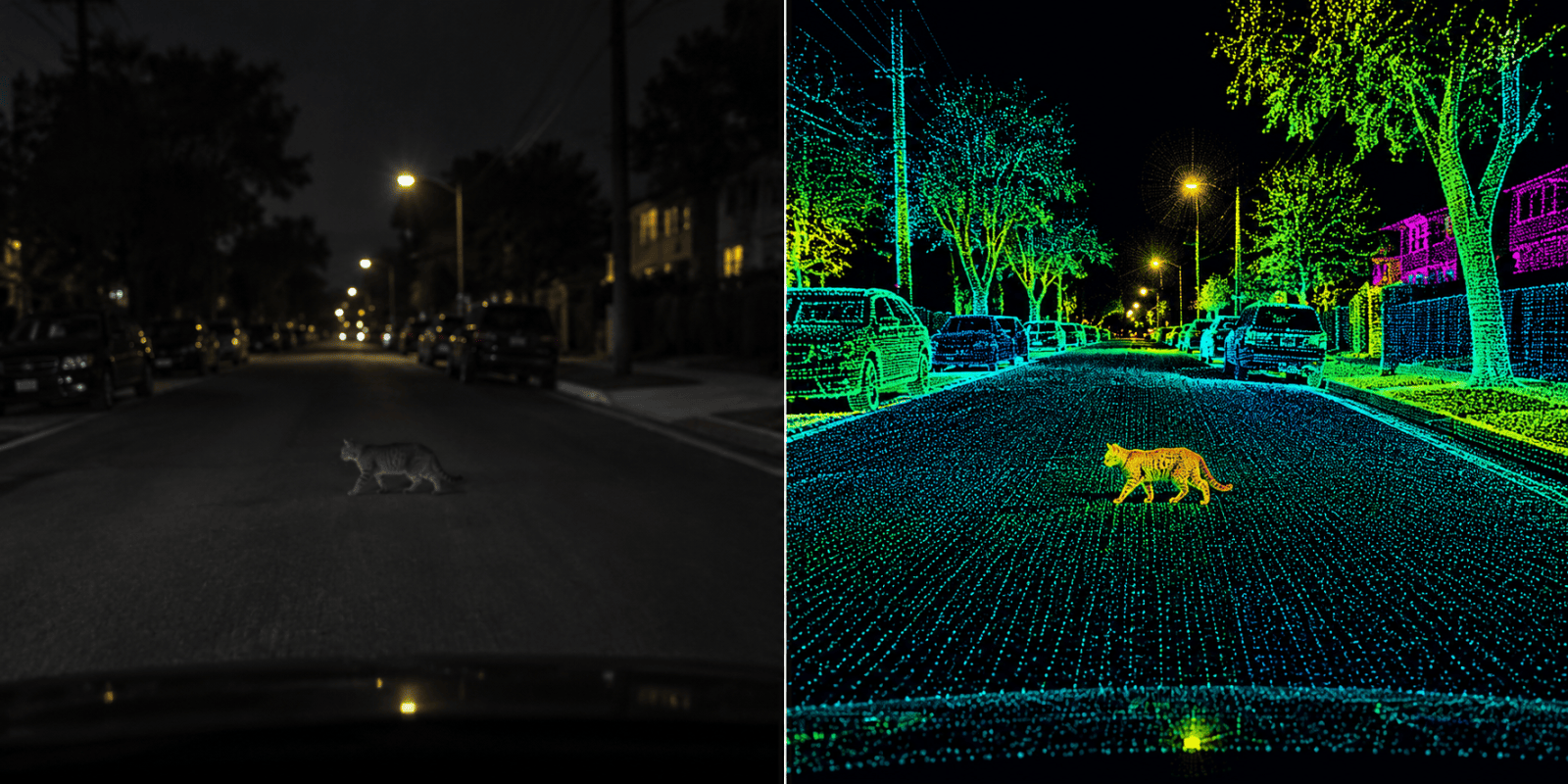
Elon Musk stated that the primary impediment to Tesla Robotaxi's full-time operation, specifically during nighttime hours, is the difficulty autonomous vehicles face in detecting small, low-contrast objects like pets on dark surfaces. Musk elaborated on this challenge by providing the specific example of "grey kittens on grey tarmac," illustrating a scenario where low-light and low-contrast detection becomes problematic for camera-based vision systems. This particular issue is precisely where sensors like lidar (Light Detection and Ranging) and radar excel, as they are designed to overcome the limitations of cameras in adverse lighting and visibility conditions. Musk's acknowledgment of lidar's utility marks a significant shift from his long-held stance, where he has historically referred to these sensors as a "crutch" and a "fool's errand" for autonomous driving systems. This previous skepticism was rooted in a belief that advanced camera processing and AI could eventually replicate or surpass the capabilities of lidar and radar. However, the practical challenges encountered by Tesla's autonomous driving technology, particularly in nuanced real-world scenarios like pet detection at night, appear to be prompting a re-evaluation of sensor fusion strategies. The company's focus has predominantly been on its "Tesla Vision" system, which relies solely on cameras and neural networks for perception. This approach has been central to Tesla's Full Self-Driving (FSD) beta program. The implication of Musk's recent statement is that the limitations of camera-only systems in specific, critical scenarios may necessitate the integration of additional sensor modalities to achieve the robust safety and reliability required for a fully autonomous taxi service. The development of Robotaxi is a key initiative for Tesla, aiming to create a network of self-driving vehicles that can generate revenue for owners when not in use. Achieving 24/7 operation, including during nighttime, is crucial for the economic viability and widespread adoption of such a service. The ability to reliably detect all objects, regardless of size, color, or lighting conditions, is paramount for public safety and regulatory approval. Musk's comments suggest that Tesla is actively assessing the trade-offs between its camera-centric approach and the benefits offered by lidar and radar, particularly as it aims to scale its autonomous driving capabilities for commercial deployment.
Original source — read the full reporting at the publisher:
Read on ElectrekGet the weekly AI digest
AI news + new model releases, weekly. Drafted by our agents, reviewed by humans.