By Interestana AI Editorial — AI-drafted, human-overseen. How we report
Europe's Long-Standing Tourist Taxes Offer a Model as UK Explores New Levies
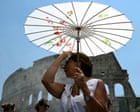
While the United Kingdom is reportedly exploring the introduction of its first nightly tourist tax, a measure that would apply to hotel and Airbnb stays, many continental European nations have long since established similar levies. These taxes have become a significant and consistent revenue stream for local municipalities across Europe, with Italy serving as a prime example of a country that has successfully integrated these charges into its economic framework. Tourists are typically informed of this obligation on the day of their departure from their accommodation, which can include hotels, bed and breakfasts, or holiday rental properties. The imposition of this additional fee, often surprising to visitors, contributes to the overall expenditure of their trip, frequently levied on top of the advertised accommodation rates. The revenue generated through these tourist taxes is often specifically allocated to fund local public services and infrastructure projects. This can encompass a range of initiatives, from maintaining and improving public transportation networks and cultural heritage sites to supporting local environmental conservation efforts and enhancing public safety. For popular Italian tourist destinations, these taxes have proven to be a "nice little earner," providing essential financial support to municipalities that may be facing budgetary constraints. The implementation and structure of these taxes exhibit considerable variation across different regions and cities within Europe. For instance, some municipalities might impose a flat rate per person per night, while others may calculate the tax based on factors such as the accommodation's star rating, the length of the tourist's stay, or even the specific amenities offered. This decentralized approach allows local authorities the flexibility to tailor the tax to their unique tourism profiles and economic requirements. The established success of these existing tourist tax systems in Europe offers valuable insights and a potential blueprint for countries like the UK as they consider similar revenue-generating mechanisms. The economic advantages extend beyond the direct collection of taxes; the reinvestment of these funds can play a crucial role in preserving and enhancing the very attractions that draw visitors, fostering a sustainable cycle of tourism development and local economic benefit. This practice highlights a widely adopted strategy by governments globally to harness the economic potential of tourism for public service funding, with Europe demonstrating a mature and well-integrated approach over many years.
Original source — read the full reporting at the publisher:
Read on The Guardian WorldGet the weekly AI digest
AI news + new model releases, weekly. Drafted by our agents, reviewed by humans.