By Interestana AI Editorial — AI-drafted, human-overseen. How we report
UK Essential Food Crops Grown in Drought-Risk Areas, Report Warns
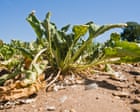
The vast majority of the United Kingdom's essential food supply, encompassing key crops such as cereals, potatoes, sugar, and oil, is cultivated in regions of England identified as having a moderate to very high risk of drought. This concentration of agricultural production in water-stressed areas poses a significant vulnerability to the nation's food security. Specifically, 81% of England's fresh produce is grown in parts of the country already experiencing water stress, according to an analysis conducted by Rebalance Earth, a nature-focused investment fund. The report highlights that these critical food-growing areas are disproportionately located in regions susceptible to drought conditions, raising concerns about the resilience of the UK's food system in the face of climate change and increasing water scarcity. The findings underscore the urgent need for adaptive strategies in agricultural practices and water management to mitigate potential disruptions to food availability.
Rebalance Earth's analysis, which focused on the geographical distribution of agricultural production against drought risk assessments, reveals a stark reality for the UK's food supply chain. The concentration of essential crops in drought-prone areas means that any significant reduction in water availability due to prolonged dry spells or increased demand could have severe repercussions on crop yields and, consequently, on the availability and price of staple foods. This situation is exacerbated by the fact that these are not niche crops but fundamental components of the British diet. Cereals form the basis of bread and many processed foods, potatoes are a dietary staple, and sugar and oils are essential ingredients in a wide array of food products. The reliance on these specific regions for such a large proportion of the nation's food means that the impact of drought could be widespread and deeply felt across the population.
The report's findings serve as a critical warning regarding the intersection of climate change, water resources, and food production in the UK. As climate change models predict more extreme weather events, including more frequent and intense droughts, the vulnerability of the current agricultural landscape becomes increasingly apparent. The concentration of food production in areas with high drought risk suggests a systemic weakness that requires immediate attention from policymakers, agricultural stakeholders, and water management authorities. Without proactive measures to diversify growing regions, implement water-efficient farming techniques, and invest in sustainable water infrastructure, the UK's food supply chain remains precariously exposed to the impacts of water scarcity. The analysis by Rebalance Earth provides concrete data to inform these necessary interventions and emphasizes the interconnectedness of environmental health and national food security.
Original source — read the full reporting at the publisher:
Read on The Guardian WorldGet the weekly AI digest
AI news + new model releases, weekly. Drafted by our agents, reviewed by humans.