By Interestana AI Editorial — AI-drafted, human-overseen. How we report
MacKenzie Scott Gives Away $26 Billion at Unprecedented Pace
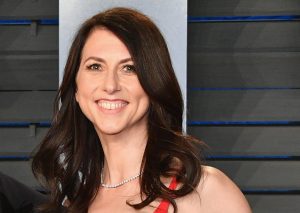
MacKenzie Scott has distinguished herself in the philanthropic world by donating over $26 billion in a remarkably short period, a pace that significantly deviates from the conventional approach of billionaire wealth distribution. This substantial sum has been given away in just a few years, a stark contrast to the typical patterns observed among the ultra-wealthy. Research from the Bridgespan Group, a global consulting firm specializing in nonprofits and philanthropy, indicates that families possessing more than $500 million in assets gave away approximately 1.2% of those assets in 2017. This percentage remained largely unchanged in 2023, even as these fortunes experienced compounding growth rates comparable to or exceeding the S&P 500's long-run average of roughly 9%. This phenomenon, where the absolute dollar amount of giving increases but the proportion of wealth donated stagnates, has been termed 'slow philanthropy' by Jeffrey Bradach, co-founder of Bridgespan.
In an essay adapted from Bridgespan's research and published in the Stanford Social Innovation Review, Bradach argues that the giving habits of many ultra-wealthy individuals lag behind their stated philanthropic aspirations. These aspirations are sometimes formalized through commitments like signing Giving Pledge letters. However, other research suggests a significant gap between these pledges and actual follow-through. The Institute for Policy Studies (IPS) has critiqued the Giving Pledge, describing it as "unfulfilled, unfulfillable, and not our ticket to a fairer, better future." According to IPS, three-quarters of the original U.S. Giving Pledgers who are still alive today remain billionaires, having grown considerably wealthier since signing their pledges. Furthermore, only eight out of 22 deceased Pledgers are documented to have fulfilled their commitments. Prominent philanthropists, such as Melinda French Gates, have publicly questioned their peers regarding their failure to meet their stated philanthropic promises.
Scott's approach, characterized by rapid and substantial donations, has garnered widespread attention and admiration, with the notable exception of Elon Musk, who has publicly suggested that her philanthropic activities might negatively impact the world. The novelist and former wife of Amazon founder Jeff Bezos has not only given away a vast sum but has done so with an apparent commitment to continue until her resources are fully distributed, a sentiment often described as emptying 'the safe.' This rapid disbursement contrasts sharply with the more gradual, often percentage-based giving strategies employed by many other billionaires, whose wealth continues to grow at rates that outpace their philanthropic contributions. The implications of Scott's model are being closely watched by the nonprofit sector and other philanthropists seeking to understand and potentially replicate its effectiveness and impact.
Original source — read the full reporting at the publisher:
Read on FortuneGet the weekly AI digest
AI news + new model releases, weekly. Drafted by our agents, reviewed by humans.