By Interestana AI Editorial — AI-drafted, human-overseen. How we report
Over 1,000 Birds Die in Three H5 Bird Flu Events in South Australia
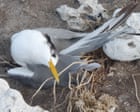
South Australia's Premier, Peter Malinauskas, has announced a "significant escalation" in H5 bird flu cases following the discovery of three separate mass mortality events that have resulted in the deaths of over 1,000 greater crested terns. The presumptive cause for these widespread bird deaths is H5 bird flu. Premier Malinauskas stated on August 20, 2026, that while the avian influenza strain is concerning for wild bird populations, there have been no detections of the virus in poultry or livestock within the state. Furthermore, no mass mortality events involving mammals have been reported in connection with these outbreaks. This situation marks a critical development in the spread of avian influenza in the region, highlighting the virus's impact on wild bird populations. The South Australian government is closely monitoring the situation and implementing measures to track and manage the spread of the virus. The focus remains on preventing any potential transmission to commercial poultry farms and domestic animals, which could have significant economic and public health implications. The premier's statement emphasized the distinction between the current wild bird mortality and the absence of infection in farmed animals, a key factor in assessing the overall risk. The ongoing surveillance efforts are crucial for understanding the trajectory of the H5 virus and its potential to affect other species. The government's communication strategy aims to inform the public while reassuring them about the containment measures in place for agricultural sectors. The specific number of birds deceased, exceeding 1,000 across three distinct incidents, underscores the severity of the current wild bird epidemic. The greater crested tern, identified as the affected species, is a common seabird found along coastal areas, making its susceptibility to the virus a point of concern for ecosystem health. The absence of human cases or infections in mammals further refines the current risk assessment, though vigilance remains paramount. The declaration of a "significant escalation" by the premier indicates a heightened level of concern and a potential increase in the scope and intensity of the outbreak compared to previous observations. This situation requires continued scientific investigation and public health oversight to mitigate further spread and potential impacts.
Original source — read the full reporting at the publisher:
Read on The Guardian WorldGet the weekly AI digest
AI news + new model releases, weekly. Drafted by our agents, reviewed by humans.