By Interestana AI Editorial — AI-drafted, human-overseen. How we report
US Kindergartners Face Increased Disease Risk as Vaccine Refusals Rise
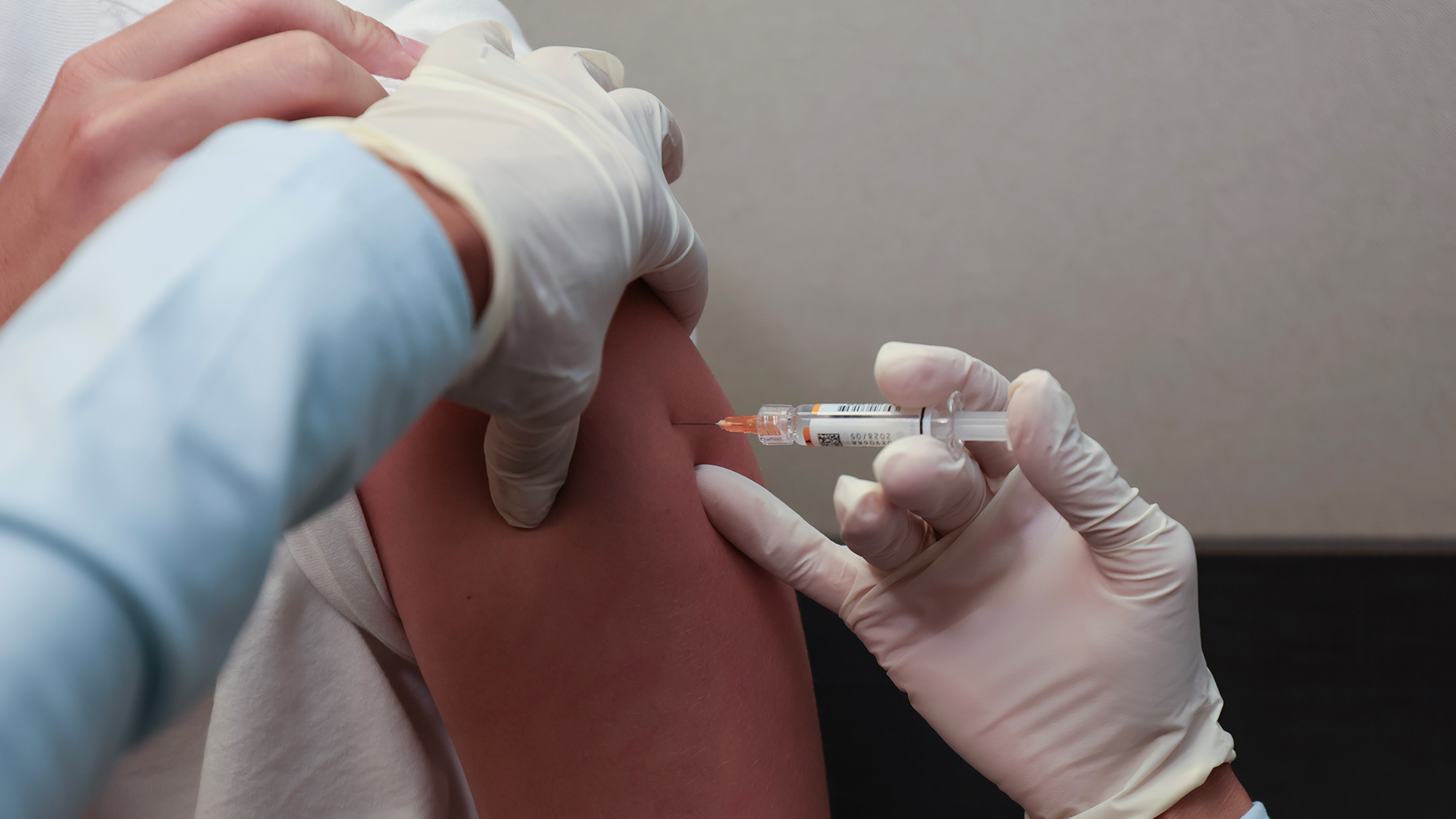
The United States is facing a significant public health challenge as an increasing number of American families are opting out of childhood vaccinations. This trend is projected to leave the nation's kindergartners more vulnerable to preventable diseases than they have been in decades, particularly as the upcoming fall school year approaches. The Centers for Disease Control and Prevention (CDC) has been monitoring vaccination rates, and preliminary data suggests a concerning decline in coverage for several key childhood immunizations. While specific national figures for the current kindergarten class are still being compiled, state-level data and anecdotal reports from pediatricians and school nurses indicate a widespread pattern of increased vaccine refusal. These refusals are often driven by a complex mix of factors, including misinformation circulating on social media, distrust in public health institutions, and personal or religious beliefs. The consequences of lower vaccination rates extend beyond individual children, potentially leading to outbreaks of diseases that were once largely under control, such as measles, pertussis (whooping cough), and varicella (chickenpox). Herd immunity, a critical concept where a sufficiently high percentage of the population is vaccinated to protect those who cannot be vaccinated (like infants or individuals with compromised immune systems), is threatened by these declining vaccination rates. Public health officials are expressing alarm, emphasizing that the resurgence of these diseases poses a serious risk not only to the unvaccinated children but also to vulnerable populations within schools and communities. Schools are increasingly reporting higher numbers of exemption requests, with some states seeing double-digit percentage increases in non-medical exemptions. For instance, in certain states, the rate of kindergarteners with non-medical vaccine exemptions has climbed steadily over the past five years, reaching levels that public health experts consider a tipping point for disease transmission. The CDC and the American Academy of Pediatrics are working to counter vaccine hesitancy through public awareness campaigns and by providing accurate, evidence-based information to parents. However, the deeply entrenched nature of some anti-vaccination sentiments presents a formidable obstacle. The situation underscores a broader societal debate about individual liberty versus collective responsibility in public health matters, with the health of the nation's youngest children hanging in the balance.
Original source — read the full reporting at the publisher:
Read on The AtlanticGet the weekly AI digest
AI news + new model releases, weekly. Drafted by our agents, reviewed by humans.