By Interestana AI Editorial — AI-drafted, human-overseen. How we report
Earthquake Disrupts Surgery at Japanese Hospital
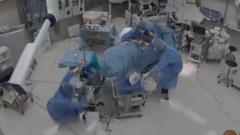
A magnitude 6.8 earthquake on March 11, 2024, caused significant disruption at Kumamoto General Hospital in Japan, as evidenced by security camera footage that captured doctors shielding a patient during an active surgical procedure. The seismic event, centered in the Kumamoto region, led to immediate safety protocols being enacted within the operating room, highlighting the vulnerability of critical medical facilities to natural disasters. The footage shows medical staff instinctively moving to protect the individual on the operating table, demonstrating their training and quick response under duress. This incident underscores the ongoing challenges faced by healthcare infrastructure in seismically active zones and the critical need for robust emergency preparedness measures.
The earthquake's magnitude of 6.8 indicates a powerful seismic event capable of causing widespread damage. Kumamoto Prefecture, located on the island of Kyushu, has a history of significant seismic activity, including a devastating series of earthquakes in April 2016 that caused widespread destruction and loss of life. The 2016 quakes, with magnitudes up to 7.0, resulted in over 200 fatalities and damaged thousands of buildings, including hospitals and other essential services. The recurrence of such a strong tremor in the region serves as a stark reminder of the persistent geological risks.
While the specific details of the surgery being performed were not disclosed, the visual evidence from the security cameras clearly depicts the immediate impact of the earthquake on the medical team's ability to continue their work. The primary concern in such a scenario would be the safety of both the patient and the surgical staff, as well as the integrity of the medical equipment and the hospital's structural stability. Earthquakes can cause power outages, damage to sensitive machinery, and potential collapse of parts of the building, all of which can have catastrophic consequences during a delicate operation.
Following the earthquake, emergency services would have been mobilized to assess the extent of damage across the hospital and the wider region. Hospitals in earthquake-prone areas often have contingency plans that include backup power generators, reinforced structures, and protocols for evacuating patients if necessary. The incident at Kumamoto General Hospital, though captured in a single moment of intense disruption, represents a broader issue of ensuring the resilience of healthcare systems against natural calamities. The footage serves as a powerful testament to the dedication of medical professionals who prioritize patient safety even in the face of extreme danger.
Original source — read the full reporting at the publisher:
Read on BBC World NewsGet the weekly AI digest
AI news + new model releases, weekly. Drafted by our agents, reviewed by humans.