By Interestana AI Editorial — AI-drafted, human-overseen. How we report
Molten Salt and Sweat Batteries Store Renewable Energy
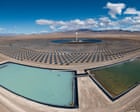
Renewable energy's primary hurdle, energy storage, is being tackled by developers worldwide with unconventional battery technologies. In the United Arab Emirates, a significant clean energy project is set to integrate advanced battery storage, aiming to power half a million homes through the night using solar energy. This initiative is part of a larger scheme combining 5.2GW of solar power capacity with 19GWh of battery storage, positioning it as the world's largest battery installation.
Beyond large-scale grid solutions, researchers are exploring novel materials and processes for energy storage. One such area involves molten salt batteries, which utilize the heat-retaining properties of molten salts to store energy. These systems offer a potential pathway for large-scale, long-duration energy storage, crucial for stabilizing grids reliant on intermittent renewable sources like solar and wind.
Another intriguing development involves the use of human sweat as a component in battery technology. While details are less extensive, this research points towards the exploration of biological and waste materials for energy storage applications. The goal is to create sustainable and cost-effective battery solutions that can complement or replace traditional lithium-ion technologies.
These diverse approaches, from massive grid-scale projects in the UAE to laboratory-based innovations using molten salts and even human sweat, underscore the global effort to overcome the intermittency of renewable energy. The successful implementation of these technologies could significantly accelerate the transition to a clean energy future by ensuring a reliable power supply, even when the sun isn't shining or the wind isn't blowing.
Original source — read the full reporting at the publisher:
Read on The Guardian WorldGet the weekly AI digest
AI news + new model releases, weekly. Drafted by our agents, reviewed by humans.