By Interestana AI Editorial — AI-drafted, human-overseen. How we report
Modern Media Undermine Presidential Power
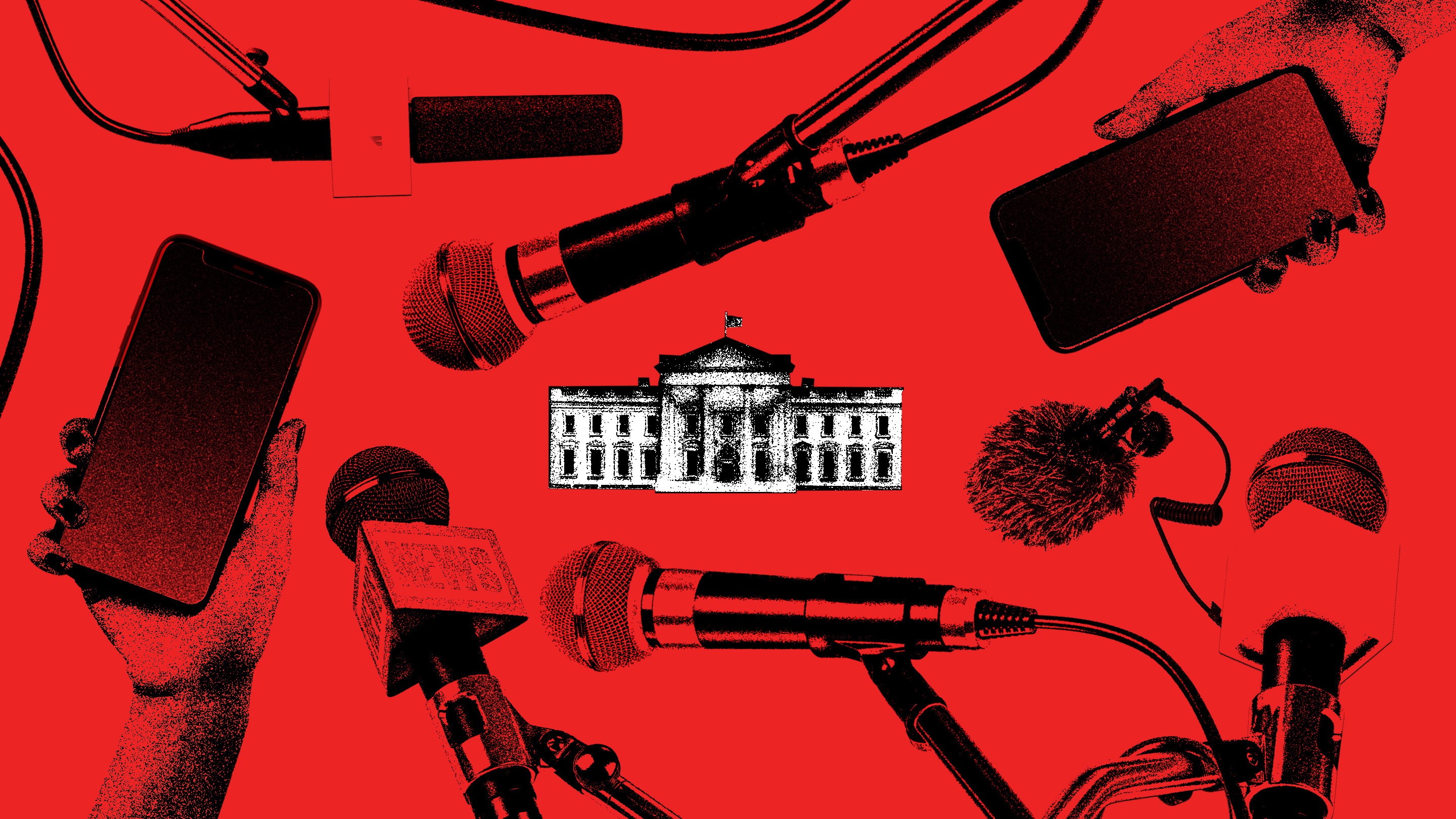
Structural transformations within the news industry have demonstrably weakened the capacity for effective presidential power. This erosion is not attributed to specific policies or individual leaders but rather to fundamental changes in how information is produced, disseminated, and consumed. The fragmentation of the media landscape, driven by the rise of digital platforms and the decline of traditional gatekeepers, has created a more complex and often less coherent environment for presidential communication and influence. Presidents historically relied on a more consolidated media ecosystem, where a few major newspapers and broadcast networks served as primary conduits for information to the public. This allowed for a more controlled narrative and a greater ability to shape public discourse. However, the advent of the internet and social media has democratized information sharing, leading to an explosion of news sources, many of which operate with different editorial standards and agendas. This has made it significantly harder for any single message from the White House to achieve broad, consistent reach and impact. Furthermore, the economic pressures on traditional journalism have led to a reduction in in-depth investigative reporting and a greater reliance on sensationalism and speed. This environment often prioritizes conflict and controversy over nuanced policy discussions, making it challenging for presidents to convey complex ideas or build consensus. The constant demand for new content means that presidential actions are often subjected to immediate, often superficial, scrutiny, leaving little room for thoughtful deliberation or strategic maneuvering. The speed at which news cycles now operate also means that presidential initiatives can be quickly overshadowed by new developments, diminishing their sustained impact. The shift from a broadcast model to a fragmented digital one has also altered the relationship between the presidency and the press. Instead of a relatively stable set of journalistic institutions to engage with, presidents now face a vast array of actors, from established news organizations to independent bloggers and social media influencers, each with their own audiences and incentives. This decentralization of media power means that presidential messaging must be tailored to a multitude of platforms and audiences, often leading to a dilution of the original message or its misinterpretation. The ability to command attention and set the agenda, a key component of presidential power, is thus significantly diminished in this new media environment. The consequence of these structural changes is a presidency that operates with diminished authority and influence. The capacity to rally public opinion, negotiate with Congress, and project a consistent image of leadership is hampered by the very forces that shape modern media. This dynamic presents a significant challenge for the functioning of American democracy, as it impacts the executive branch's ability to govern effectively and respond to national challenges.
Original source — read the full reporting at the publisher:
Read on The AtlanticGet the weekly AI digest
AI news + new model releases, weekly. Drafted by our agents, reviewed by humans.