By Interestana AI Editorial — AI-drafted, human-overseen. How we report
Ocasio-Cortez Sees Generational Tidal Wave Driven by Economic Anger
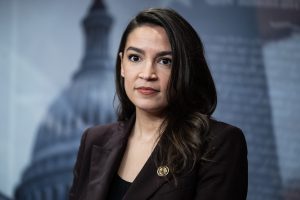
Representative Alexandria Ocasio-Cortez stated on ABC News’ This Week that a significant "generational tidal wave" is emerging in American politics, driven by the economic anxieties of younger generations who feel sidelined by older ones. She acknowledged that the Democratic party has seen a decline in support from young people, particularly young men, in recent election cycles and emphasized the need for the party to engage with this demographic to build a successful coalition. Ocasio-Cortez, a millennial herself, highlighted that this generation, now comprising adults with mortgages and children, is beginning to exert decisive influence at the polls. She articulated a sense of anger among millennials and Gen Z regarding their economic futures being "mortgaged" by preceding generations, citing issues ranging from the economy to climate change. This sentiment, she believes, is fueling a desire to "take the reins" of political power.
Data from polling tracker Catalist indicates a modest increase in millennial participation in recent elections. In 2024, millennials constituted 25% of the electorate, up from 23% in 2020. While Baby Boomers still represented a larger share of voters at 32% in 2024, their proportion has been trending downward from a peak of 36% in 2016. Ocasio-Cortez anticipates that the growing numbers and engagement of younger voters will soon tip the balance in American political landscapes. She suggested that as millennials mature, their political stances may also evolve, indicating a potential moderation in some policy areas. This comes as younger candidates, many identifying with democratic socialist or more left-wing positions, have seen success in off-year elections in 2025 and mid-term primaries this year, often unseating established figures.
Ocasio-Cortez's own election eight years ago is seen as a harbinger of broader political shifts, and she views the current movement as a transformational force. The "insurgent wave" she describes is often overlooked in post-election analyses that focus on other demographic voting patterns. The representative's perspective underscores a growing awareness of intergenerational economic disparities and their potential impact on electoral outcomes. The anger stems from a perceived lack of attention to the long-term economic stability and opportunities for younger Americans, who are facing challenges such as student loan debt, rising housing costs, and the impacts of climate change. This demographic shift, coupled with their increasing political engagement, suggests a significant realignment in the electorate that could redefine political priorities and policy debates for years to come. The "generational tidal wave" represents a powerful force of change, driven by a generation that feels its future has been compromised and is now demanding a greater say in shaping it.
Original source — read the full reporting at the publisher:
Read on FortuneGet the weekly AI digest
AI news + new model releases, weekly. Drafted by our agents, reviewed by humans.