By Interestana AI Editorial — AI-drafted, human-overseen. How we report
Mideast Oil Faces Chokepoints Amid Global Conflicts
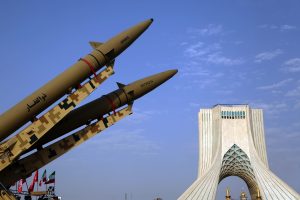
Global energy markets are facing unprecedented pressure from escalating conflicts across oil-producing regions, creating potential chokepoints and shortages for both crude oil and refined products. Diplomatic efforts are underway to de-escalate tensions in the Persian Gulf, with the U.S. and Iran pausing attacks and engaging in talks to reopen the Strait of Hormuz. However, regional neighbors are unlikely to accept any deal that legitimizes Iran's control over this critical waterway. Concurrently, Iran-backed Houthi rebels continue to threaten shipping in the Bab el-Mandeb Strait, a vital route for Saudi Arabian oil exports that bypasses the Strait of Hormuz. While ships can reroute through the Suez Canal to access the Red Sea, this canal cannot accommodate the largest oil tankers, and there is a heightened risk of Iran targeting the Suez Canal itself. Helima Croft, head of global commodity strategy at RBC Capital Markets, described these scenarios as "no way out" situations due to the "new Red Sea unrest."
Adding to the global instability, Ukraine has intensified its attacks on Russia's oil infrastructure and tankers in the Black Sea. As one of the world's leading diesel producers, Russia has experienced a significant reduction in refinery output due to these attacks. This has led Moscow to ban refined product exports to prioritize domestic consumption, thereby tightening the global products market. Croft noted that this situation impacts both crude and refined product markets, presenting a complex challenge for the current administration in Washington, which is dealing with an "everything everywhere all at one situation." The interconnectedness of these conflicts is further highlighted by a recent Ukrainian attack on an Iranian ship in the Caspian Sea, suspected of transporting military supplies between Iran and Russia.
Susan Bell, senior vice president of downstream research at Rystad Energy, has warned that the crisis in refined fuels is more severe than the challenges facing crude oil supplies. The disruption to Russia's refining capacity, a major supplier of diesel and other refined products, has a more immediate and widespread impact on global availability. This is because refined products are closer to the end consumer and any disruption in their supply chain directly affects transportation, industry, and agriculture. The intricate web of geopolitical tensions, from the Strait of Hormuz and the Bab el-Mandeb Strait to the Black Sea and the Caspian Sea, underscores the fragility of global energy security. The inability of the Suez Canal to accommodate the largest tankers further exacerbates the logistical challenges, limiting alternative routes for supertankers. The potential for further escalation in any of these regions poses a significant risk to the continuous flow of oil and its derivatives, impacting economies worldwide.
Original source — read the full reporting at the publisher:
Read on FortuneGet the weekly AI digest
AI news + new model releases, weekly. Drafted by our agents, reviewed by humans.