By Interestana AI Editorial — AI-drafted, human-overseen. How we report
Middle East Crypto Activity Triples to $350 Billion
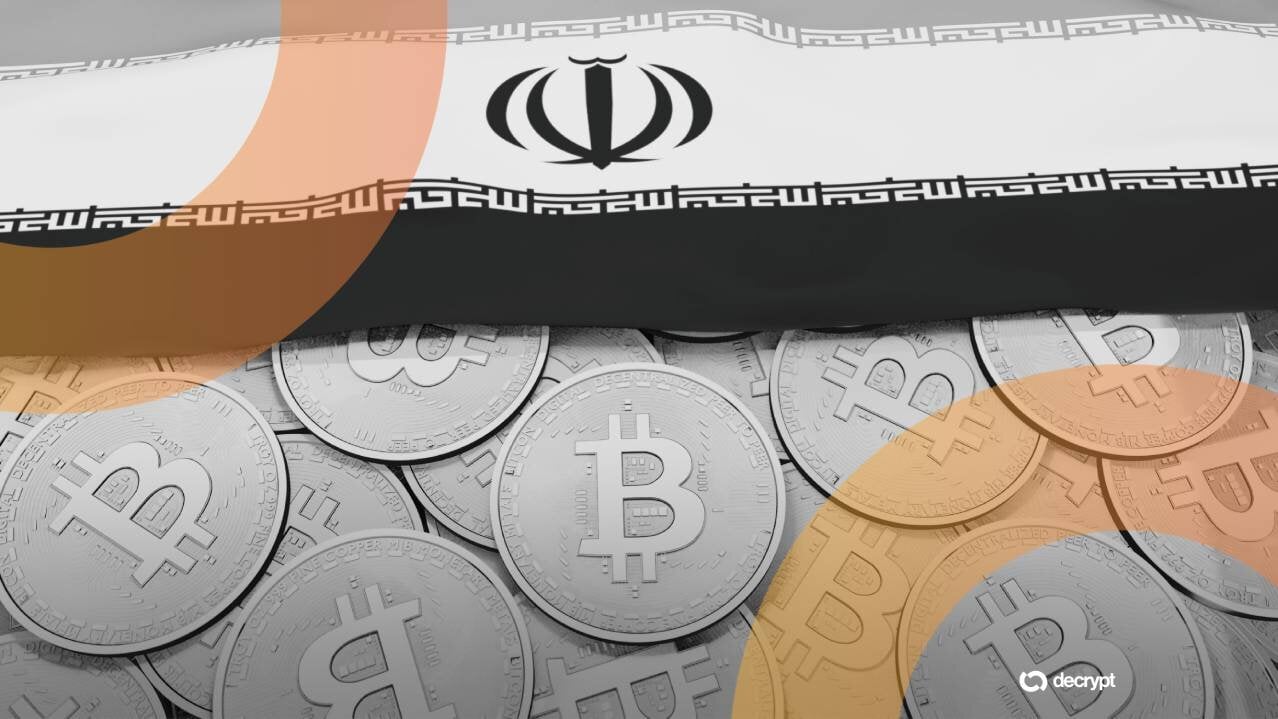
Middle East cryptocurrency activity has tripled, reaching an estimated $350 billion in transaction volume, according to a report by the Bitcoin Policy Institute. This significant increase is attributed to a heightened demand for digital assets as a means of preserving and transferring wealth, particularly in the context of ongoing regional conflicts. The report highlights that the demand for cryptocurrencies has been amplified by economic instability and geopolitical tensions, leading individuals and businesses to seek alternative financial tools.
The Bitcoin Policy Institute's findings indicate that despite the volatile geopolitical landscape, cryptocurrency businesses in the Gulf region have demonstrated resilience, continuing to operate and facilitate transactions through periods of disruption. This operational continuity has been crucial in supporting the increased demand for digital assets. The report does not specify the exact timeframe for this $350 billion figure, but it implies a recent surge in activity. The institute's analysis suggests that the unique economic and political circumstances in the Middle East are fostering a greater adoption of cryptocurrencies.
Furthermore, the report points to the role of digital assets in circumventing traditional financial system limitations, which can be particularly appealing in regions experiencing sanctions or capital controls. The ability to move funds across borders with greater ease and potentially lower transaction costs makes cryptocurrencies an attractive option for wealth management and remittance. The Bitcoin Policy Institute is an organization that focuses on the economic and policy implications of Bitcoin and other digital assets, aiming to provide research and analysis to inform public discourse and policy decisions. Their work often involves tracking adoption trends and analyzing the impact of regulatory and economic factors on the cryptocurrency market.
The surge in Middle East crypto activity underscores a broader global trend of increasing cryptocurrency adoption, but with specific regional drivers. The conflict in Iran, as mentioned in the report, appears to be a significant catalyst, prompting a greater reliance on decentralized financial instruments. The resilience of Gulf crypto businesses is also a key factor, ensuring that the infrastructure is in place to support this growing demand. The report's findings are based on an analysis of various data sources, though specific methodologies are not detailed in the provided information. The overall implication is that the Middle East is becoming an increasingly important region for the global cryptocurrency market, driven by a confluence of economic necessity and technological accessibility.
Original source — read the full reporting at the publisher:
Read on DecryptGet the weekly AI digest
AI news + new model releases, weekly. Drafted by our agents, reviewed by humans.