By Interestana AI Editorial — AI-drafted, human-overseen. How we report
US Launches New Strikes on Iran After Hostilities Resume
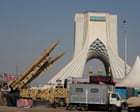
The United States launched new strikes against Iran early on Thursday, following a period of renewed hostilities that has heightened concerns among mediators and analysts about a potential return to all-out war in the Middle East. These strikes occurred after a brief pause in attacks, during which mediators had expressed optimism about facilitating renewed negotiations between the US and Iran. The interim agreement between the two nations had previously collapsed amidst escalating fighting, particularly concerning the Strait of Hormuz, a critical chokepoint for global oil shipments. A regional official, speaking anonymously to the Associated Press, indicated that mediation efforts were ongoing with both the US and Iran in an attempt to de-escalate the situation and reinstate a ceasefire, though no specific details regarding progress were disclosed.
Analysts have warned that the recent escalation of strikes, carried out by both the US and Iran, has pushed the region into "uncharted territory." This sentiment was echoed in a report by The Guardian, which highlighted that US-Saudi strikes in Iraq, preceding the latest US action, were a significant factor in this destabilization. The increased tempo of military actions raises the specter of a wider regional conflict, drawing in other nations and exacerbating existing geopolitical tensions. The involvement of Saudi Arabia in strikes within Iraq suggests a coordinated effort by US allies in the region to counter perceived Iranian influence and aggression, further complicating diplomatic efforts.
The collapse of the interim agreement, which had offered a fragile pathway towards de-escalation, underscores the deep-seated mistrust and the volatile nature of the current standoff. The Strait of Hormuz has been a focal point of contention, with both sides engaging in actions that threaten maritime security and international trade. The ongoing mediation efforts, though facing significant challenges, represent the primary diplomatic channel for preventing a full-blown conflict. The success of these efforts hinges on the willingness of both the US and Iran to return to the negotiating table and adhere to a de-escalation framework. The involvement of regional powers like Saudi Arabia adds another layer of complexity, as their interests and actions are closely intertwined with the broader US-Iran dynamic.
The current situation represents a critical juncture for Middle Eastern stability. The risk of miscalculation or unintended escalation remains high, with potentially devastating consequences for the region and the global economy. The international community is closely monitoring the developments, with many nations urging restraint and a renewed commitment to diplomatic solutions. The effectiveness of mediation efforts will be crucial in navigating this precarious period and preventing a wider conflagration. The ongoing dialogue, however strained, remains the only viable path towards restoring peace and security in the region. The coming days and weeks will be critical in determining whether the current cycle of escalation can be broken or if the region is indeed heading towards a more dangerous phase of conflict.
Original source — read the full reporting at the publisher:
Read on The Guardian WorldGet the weekly AI digest
AI news + new model releases, weekly. Drafted by our agents, reviewed by humans.