By Interestana AI Editorial — AI-drafted, human-overseen. How we report
Middle East Braces for Violence Amid US Bombing Campaign Claims
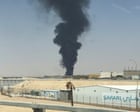
Governments throughout the Middle East are anticipating a significant escalation in regional violence. This heightened concern stems from Iran's public claim that it has received intelligence indicating the United States is preparing to launch a renewed bombing campaign targeting the Islamic Republic. The assertion by Iran has amplified existing geopolitical tensions in a region already characterized by complex and often volatile dynamics.
This development occurs in the context of growing international scrutiny, with the United Nations General Assembly scheduled to convene in New York this week. In a related event, former US President Donald Trump reportedly cut short a weekend visit to the Camp David presidential retreat on Sunday, although no official reason was provided for his departure. Concurrently, the US State Department issued a new security alert, advising all American citizens residing in the Middle East to exercise heightened caution. This alert underscores the perceived increase in risk and instability in the region.
Further complicating the situation, former President Trump made a statement to Fox News, indicating that he is considering "wiping Iran out" in response to attacks on Riyadh attributed to Houthi rebels. The Houthi rebels, based in Yemen, have been engaged in a protracted conflict and have previously launched attacks targeting Saudi Arabia. The potential for direct or indirect US military action against Iran, coupled with rhetoric from prominent political figures, contributes to the precarious security environment.
The intelligence cited by Iran regarding a potential US bombing campaign has not been independently verified by external sources, and the US government has not officially confirmed or denied the claims. However, the mere assertion has been sufficient to trigger widespread concern among regional actors and international observers. The Middle East has a history of proxy conflicts and direct confrontations, and any perceived move towards direct military engagement between major powers or their allies could have far-reaching consequences, including potential impacts on global energy markets and international trade routes. The coming days, particularly around the UN General Assembly, are expected to be critical in assessing the trajectory of these escalating tensions and the potential for de-escalation or further conflict.
Original source — read the full reporting at the publisher:
Read on The Guardian WorldGet the weekly AI digest
AI news + new model releases, weekly. Drafted by our agents, reviewed by humans.