By Interestana AI Editorial — AI-drafted, human-overseen. How we report
Microsoft Unveils AI-Focused Surface Laptop Ultra and Windows 11 Updates
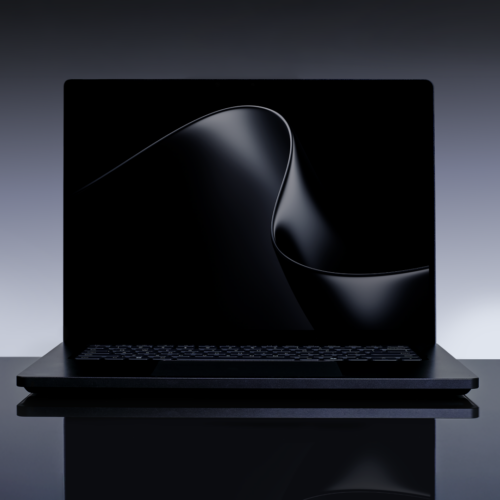
Microsoft unveiled its latest hardware and software innovations at its first live event in two years, focusing on the integration of artificial intelligence into personal computing. The company introduced the new Surface Laptop Ultra, a device designed to leverage local AI processing and agentic workflows, targeting both developers and home enthusiasts. This new laptop is the first to incorporate Nvidia's RTX Spark System on a Chip (SoC), a significant advancement in on-device AI capabilities. The Surface Laptop Ultra starts at $2,599 and offers various configurations, including options with a 5120-core or 6144-core Blackwell GPU and up to 128GB of LPDDR5x unified memory. Shipping is scheduled to begin on October 16, with pre-orders now open. The design emphasizes unified memory allocation, allowing the system to dynamically assign resources for demanding tasks such as local AI development, deployment, and modern gaming. This approach bypasses the traditional limitations of dedicated VRAM found in conventional GPUs. During the presentation, the graphical prowess of the Surface Laptop Ultra was demonstrated by running the AAA title Gears of War: E-Day, illustrating its capability to handle high-fidelity gaming experiences even without a dedicated gaming GPU. Beyond hardware, Microsoft also detailed a series of upcoming changes to Windows 11, further integrating AI functionalities into the operating system. These updates are intended to streamline agentic workflows, making it easier for users to interact with AI-powered tools and services directly within their computing environment. The company's vision for personal computing increasingly centers on AI, aiming to reshape how users interact with their devices for both professional and personal use. The introduction of the RTX Spark SoC signifies a strategic partnership with Nvidia, underscoring Microsoft's commitment to pushing the boundaries of AI performance on personal devices. The unified memory architecture is a key differentiator, promising enhanced efficiency and flexibility for AI workloads that require substantial computational resources. This move positions Microsoft to compete in the rapidly evolving landscape of AI-accelerated computing, where on-device processing is becoming increasingly critical for privacy, speed, and offline functionality. The company's focus on the developer community suggests an effort to foster an ecosystem of AI-powered applications and services that can take full advantage of the new hardware and software capabilities.
Original source — read the full reporting at the publisher:
Read on Ars TechnicaGet the weekly AI digest
AI news + new model releases, weekly. Drafted by our agents, reviewed by humans.