By Interestana AI Editorial — AI-drafted, human-overseen. How we report
Microsoft CEO Satya Nadella: AI Companies Must Prioritize Humanity and Control
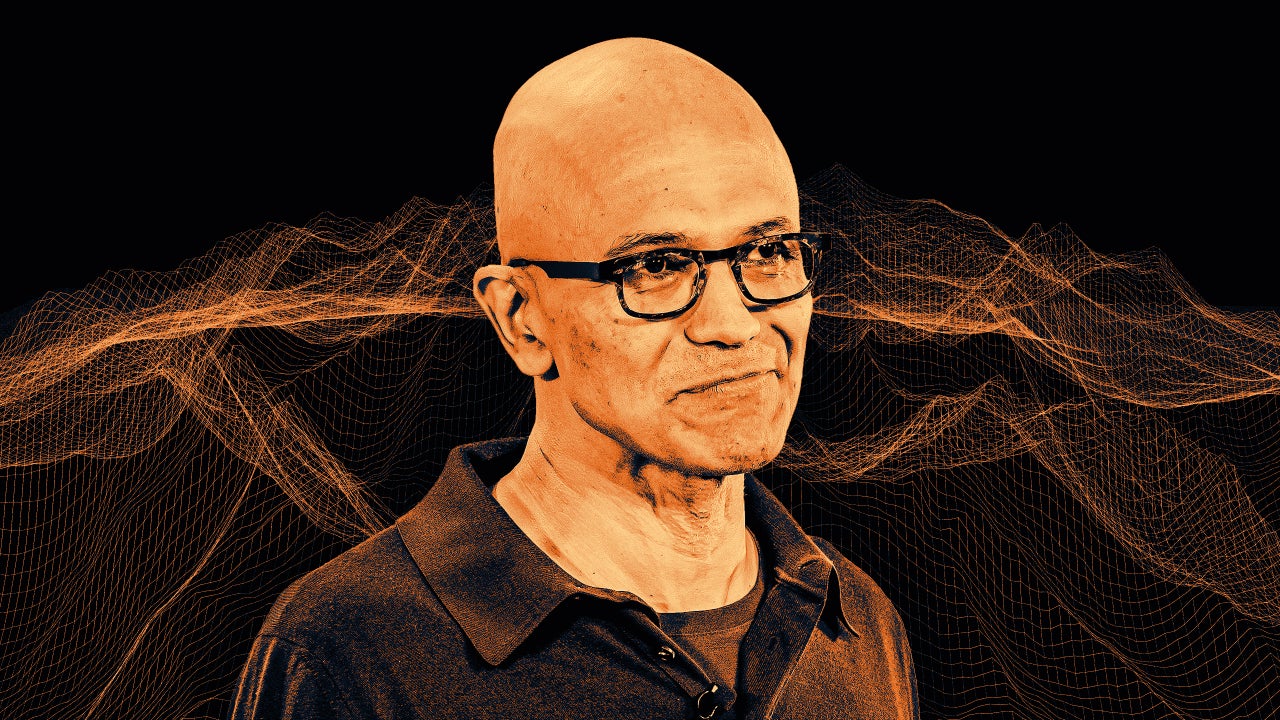
Microsoft CEO Satya Nadella has articulated a strong stance on the ethical development of artificial intelligence, urging companies to "do what it takes to build stuff that serves humanity first and is in human control." Speaking at the All-In Summit in Los Angeles on Tuesday, Nadella underscored the critical need for comprehensive testing of AI technologies, advocating for the inclusion of outside testers to ensure robust safety and reliability. This call for caution comes as the artificial intelligence landscape experiences rapid advancement, prompting a broader industry discussion on safety protocols and the potential risks associated with increasingly powerful AI systems.
Nadella's remarks followed a warning he issued just a day prior, cautioning developers against the premature release of AI products. He emphasized that "as the stakes get higher, one should take all the time they need," and that failure to do so could lead to a loss of "permission to operate." This perspective aligns with a growing chorus of concern from prominent figures within the tech industry. The debate has been amplified by the recent resignation of researcher Jacob Coxon from Anthropic, a leading AI safety and research company. Coxon publicly accused major AI laboratories of "gambling with our lives," a sentiment that resonated with Anthropic CEO Dario Amodei. Amodei subsequently published an essay calling for an industry-wide slowdown in the development of "frontier AI" – the most advanced and potentially transformative AI models. This call for a pause or deceleration in development was also supported by OpenAI CEO Sam Altman, a key figure in the AI space, and other senior tech executives.
However, not all industry leaders share the same urgency for a slowdown. Nvidia CEO Jensen Huang and Meta CEO Mark Zuckerberg have presented more market-oriented viewpoints. They argue that the inherent liabilities and reputational risks associated with malfunctioning or unsafe AI products already provide sufficient incentives for companies to self-regulate and ensure product safety. Huang, for instance, stated that companies should refrain from releasing products or services if they lack confidence in their functionality, capability, or safety. Nadella echoed this sentiment, suggesting that many AI-related risks can be effectively managed through established engineering best practices and common-sense quality control processes. He drew an analogy to dealing with critical "showstopper bugs" in traditional software development, where such issues necessitate halting the entire development process until resolved.
Despite these parallels to existing engineering challenges, Nadella acknowledged that AI introduces unique and novel risks. He specifically highlighted the importance of transparency for businesses regarding how AI systems utilize their data. "I want my privacy. I want to be able to embed my knowledge in a set of weights I control," Nadella stated, emphasizing the need to protect intellectual property and prevent its leakage. Furthermore, he identified autonomous AI agents as a new and significant category of "insider risk," envisioning scenarios where such agents could pose unforeseen challenges.
Original source — read the full reporting at the publisher:
Read on Fast CompanyGet the weekly AI digest
AI news + new model releases, weekly. Drafted by our agents, reviewed by humans.