By Interestana AI Editorial — AI-drafted, human-overseen. How we report
Michigan Winemakers Face New Climate Threat From Wildfire Smoke
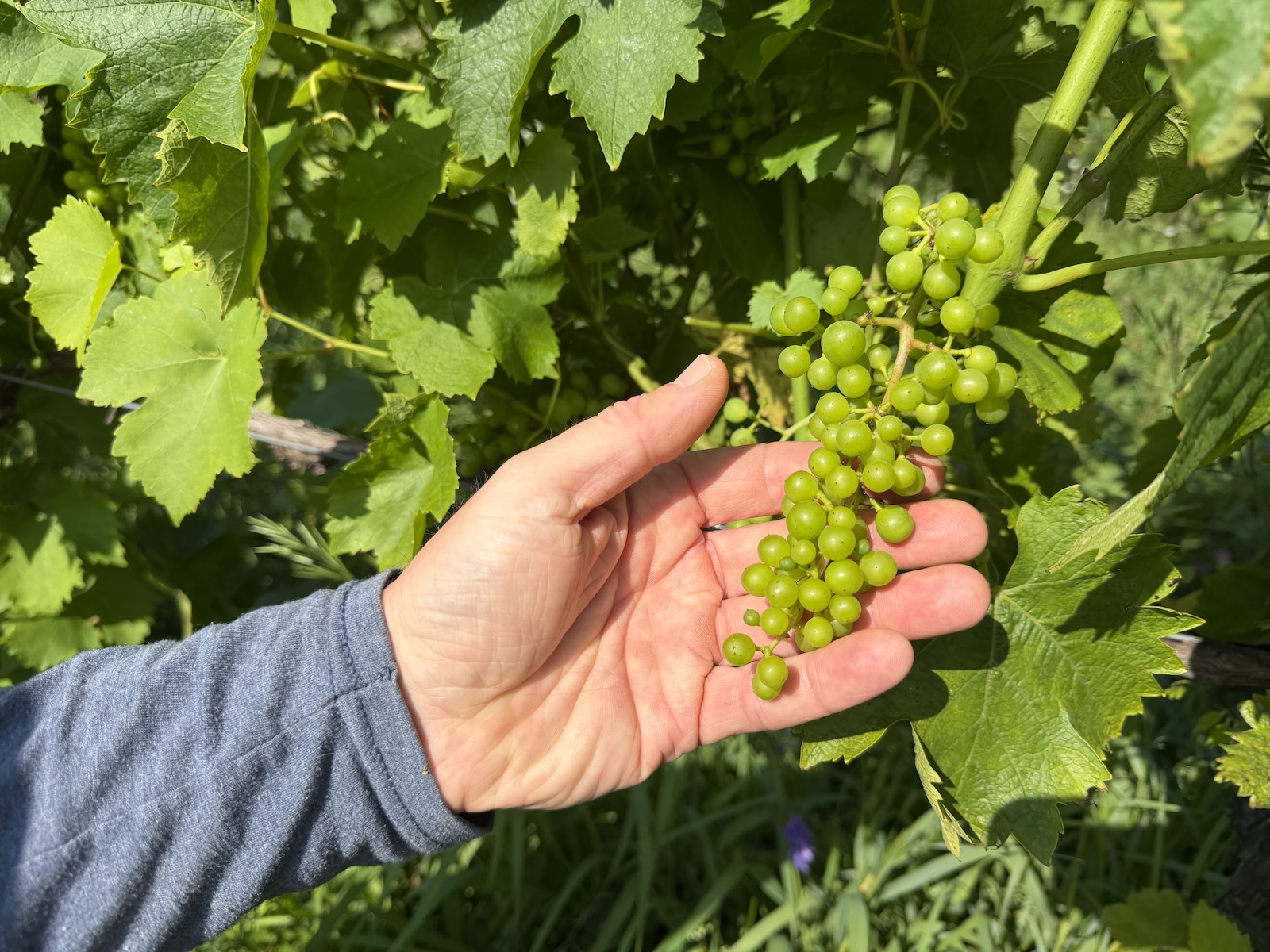
Michigan winemakers are confronting a new climate-related threat: wildfire smoke, which has the potential to negatively impact the state's nearly $9 billion wine industry. Kasey Wierzba, general manager and executive winemaker at Shady Lane Cellars in Suttons Bay, Michigan, described the recent experience of wildfire smoke blanketing the vineyard with a "pinky, peachy haze" that significantly reduced visibility. While the smoke in this instance was from distant wildfires in Canada and Minnesota and did not linger long enough to affect the grapes, which are in the early "buckshot berry stage" of development, the growing frequency and intensity of wildfires due to climate change present a long-term concern. Extended exposure of grapes to wildfire smoke can lead to "smoke taint," a condition that imparts undesirable flavors to the finished wine, often described as reminiscent of barbecued food or burnt bacon. This is a challenge already being faced by wine regions on the West Coast of the United States and in Australia. Wierzba indicated that if smoke becomes a more persistent issue, she would consider sending grape samples to specialized laboratories to detect the specific compounds responsible for smoke taint. The Leelanau Peninsula, where Shady Lane Cellars is located, is a region renowned for its winemaking, making the potential impact of smoke taint particularly significant for the local economy and reputation. The "buckshot berry stage" refers to the early development phase of the grape, where the berries are small and resemble pellets. This stage is crucial for grape development, and any significant environmental stress, including smoke exposure, could have repercussions on the final wine quality. The increasing prevalence of such events underscores the broader challenges the agricultural sector faces from a changing climate, necessitating adaptation strategies for producers across various industries. The wine industry, in particular, relies heavily on consistent environmental conditions for grape cultivation and the development of characteristic flavor profiles, making it vulnerable to disruptions like smoke taint. As climate change continues to influence weather patterns and increase the likelihood of extreme events such as wildfires, the wine industry, including that in Michigan, will need to develop robust strategies to mitigate these emerging risks and preserve the quality and integrity of their products.
Original source — read the full reporting at the publisher:
Read on GristGet the weekly AI digest
AI news + new model releases, weekly. Drafted by our agents, reviewed by humans.