World Cup Losses Impact Beer Sales in Mexico and Brazil
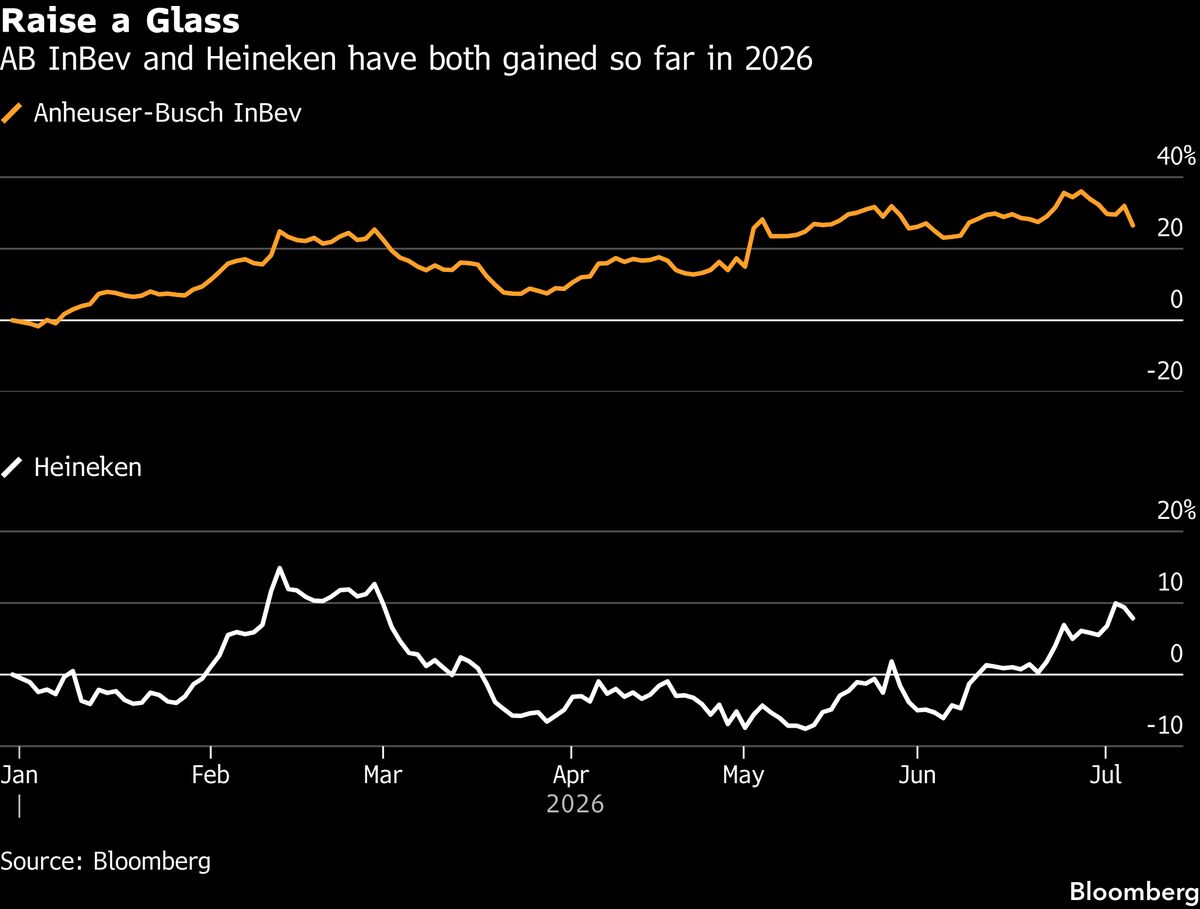
The FIFA World Cup, often a significant driver for beer sales, has seen a disappointing outcome for two of its major markets: Mexico and Brazil. Both nations experienced early eliminations from the tournament, leading to a projected shortfall in expected beer consumption and sales for breweries. This downturn contrasts with the typical surge in demand that accompanies national teams' progress in major sporting events.
The early exit of both Brazil and Mexico dashed hopes for a substantial boost in beer revenue for companies operating in these regions. Historically, the World Cup has provided a predictable uplift in sales as fans gather to watch matches, increasing consumption of beverages like beer. The absence of these key teams from later stages of the tournament directly impacts the anticipated sales figures for the period.
While specific financial figures related to the projected sales impact have not been detailed, the sentiment among industry observers is that the losses represent a missed opportunity for significant revenue generation. Breweries in both countries had likely factored in increased sales based on typical World Cup performance patterns. The early departures mean that these projections will likely not be met, affecting the overall sales performance for the period.
The impact extends beyond just the immediate match-day consumption. The prolonged engagement of fans with the tournament, often fueled by their national team's success, typically leads to sustained increased purchasing habits. With both Mexico and Brazil out of contention earlier than anticipated, this extended period of heightened demand is curtailed, leading to a less robust sales environment for beer manufacturers and distributors in these key Latin American markets.
Original source — read the full reporting at the publisher:
Read on Bloomberg Markets