By Interestana AI Editorial — AI-drafted, human-overseen. How we report
Mexico and Peru Restore Diplomatic Ties After Asylum Dispute
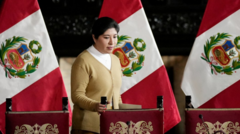
Mexico and Peru have officially restored full diplomatic relations, marking an end to a period of strained ties that began in November 2025. The rupture occurred when former Peruvian Prime Minister Betssy Chávez sought political asylum within the Mexican embassy in Lima. This action was taken by Chávez following accusations of rebellion and conspiracy related to her alleged role in a coup attempt against then-President Pedro Castillo. The Peruvian government at the time, led by President Dina Boluarte, declared the Mexican ambassador persona non grata and expelled him from the country, citing interference in internal affairs. Mexico, in response, granted asylum to Chávez and subsequently recalled its own ambassador, leading to a complete breakdown in diplomatic engagement between the two South American nations.
The dispute highlighted significant political divisions within Peru and underscored the differing approaches to asylum and diplomatic protocols between the two countries. President Castillo had been removed from office and arrested in December 2022 after attempting to dissolve Congress and rule by decree, an action widely condemned as unconstitutional. His ousting triggered widespread protests across Peru, leading to a period of political instability and a significant death toll during government crackdowns. Betssy Chávez served as Minister of Labor and Promotion of Employment and later as Prime Minister under Castillo's administration.
Following the breakdown in relations, Mexico continued to provide refuge to Chávez, while Peru maintained its stance that granting asylum to a citizen facing domestic legal proceedings constituted a violation of international norms. The situation created a diplomatic impasse, with high-level communication ceasing and bilateral cooperation on various fronts being suspended. This restoration of ties signifies a mutual desire to move past the incident and re-establish constructive engagement. The specific terms and conditions under which relations were fully restored have not been detailed, but the resumption of ambassadorial presence is a key indicator of normalization. Both nations are significant players in regional politics and trade, and the re-establishment of diplomatic channels is expected to facilitate renewed cooperation on issues of mutual interest, including economic development, regional security, and cultural exchange. The move is seen as a positive step towards stabilizing bilateral relations and fostering greater regional dialogue.
Original source — read the full reporting at the publisher:
Read on BBC World NewsGet the weekly AI digest
AI news + new model releases, weekly. Drafted by our agents, reviewed by humans.