By Interestana AI Editorial — AI-drafted, human-overseen. How we report
Meta Quits Renewables Pledge, Backs Gas Plants for Data Centers
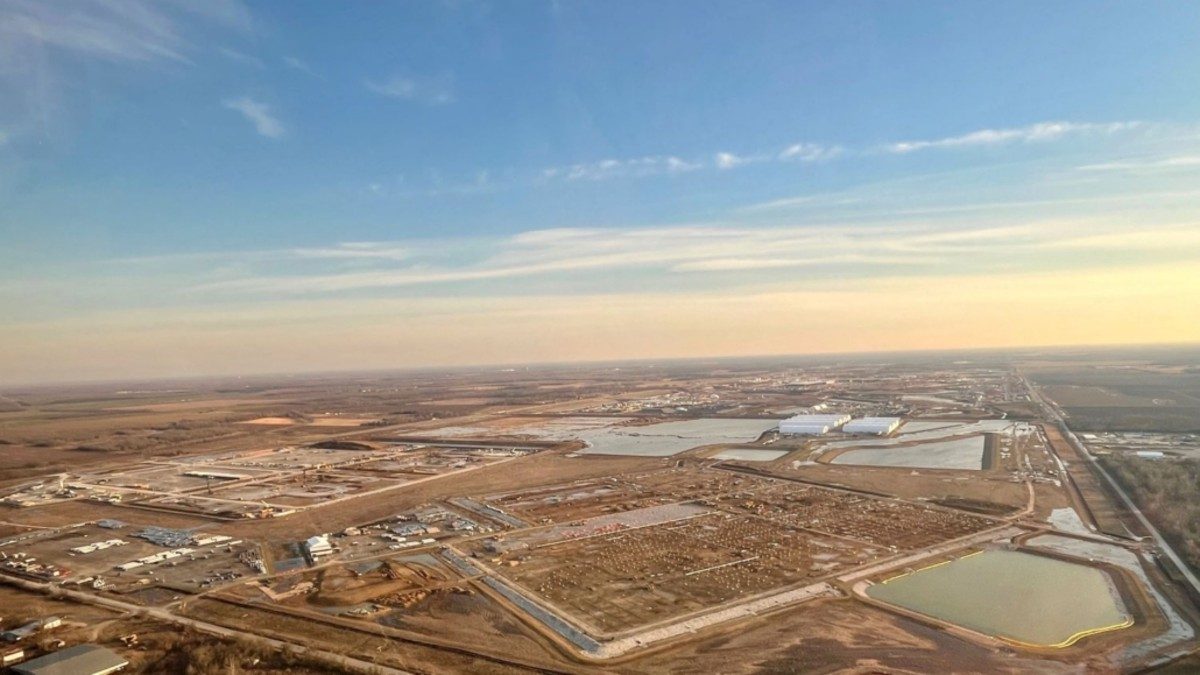
Meta Platforms, the parent company of Facebook and Instagram, has withdrawn from RE100, a global corporate initiative that commits its members to sourcing 100% renewable electricity. This decision comes as Meta is actively financing the construction of new gas-fired power plants intended to supply the substantial energy demands of its expanding artificial intelligence data centers. The company's departure from RE100 was confirmed by The Climate Group, the organization that manages the initiative, and was first reported by Bloomberg News.
Meta's withdrawal signifies a significant shift in its energy procurement strategy, moving away from a commitment to 100% renewable energy. Previously, the company had aimed to achieve this goal by 2030. The RE100 initiative, launched in 2014, currently includes over 400 multinational corporations that have pledged to transition to renewable electricity. Meta joined RE100 in 2017, aligning with its broader sustainability objectives. However, the escalating energy requirements for training and operating large-scale AI models have apparently led Meta to re-evaluate its renewable energy targets and operational needs.
The company's investment in gas power plants is a direct response to the immense and growing electricity consumption of its AI infrastructure. Data centers, particularly those dedicated to AI, require a continuous and reliable power supply, often exceeding the current capabilities of renewable energy sources alone to meet peak demand consistently. Gas power plants offer a more predictable and dispatchable energy source, which is crucial for maintaining the operational uptime of these critical facilities. Meta has stated that it remains committed to sustainability and is investing in technologies to reduce the carbon footprint of its operations, including carbon capture and storage solutions, and is also exploring ways to integrate renewable energy into its grid where feasible.
This move by Meta has drawn criticism from environmental advocates and raises questions about the company's commitment to climate action. RE100 members are expected to demonstrate progress towards their 100% renewable electricity goals. Meta's departure suggests a potential conflict between its ambitious AI development roadmap and its previous sustainability commitments. The company's statement indicated that it is now focusing on a broader approach to decarbonization, which includes a mix of renewable energy, grid decarbonization efforts, and other technologies to achieve net-zero emissions. The specific details of the gas plants being backed by Meta, including their capacity, location, and projected operational timelines, have not been fully disclosed, but they are intended to support the company's global network of data centers that power its social media platforms and AI research.
The energy consumption of AI is a growing concern within the technology sector. As AI models become larger and more complex, their training and inference processes require exponentially more computational power and, consequently, more electricity. This trend is putting pressure on energy grids and prompting companies to seek diverse and robust energy solutions. Meta's decision to invest in gas power highlights the complex trade-offs companies face in balancing rapid technological advancement with environmental responsibility. The company's future energy strategy will likely involve a combination of renewable energy procurement, energy efficiency measures, and potentially other low-carbon energy sources as they become more viable and scalable.
Original source — read the full reporting at the publisher:
Read on ElectrekGet the weekly AI digest
AI news + new model releases, weekly. Drafted by our agents, reviewed by humans.