By Interestana AI Editorial — AI-drafted, human-overseen. How we report
Mercedes-Benz Not Facing U.S. Ban Amidst Data Security Legislation, Says Senator Schumer
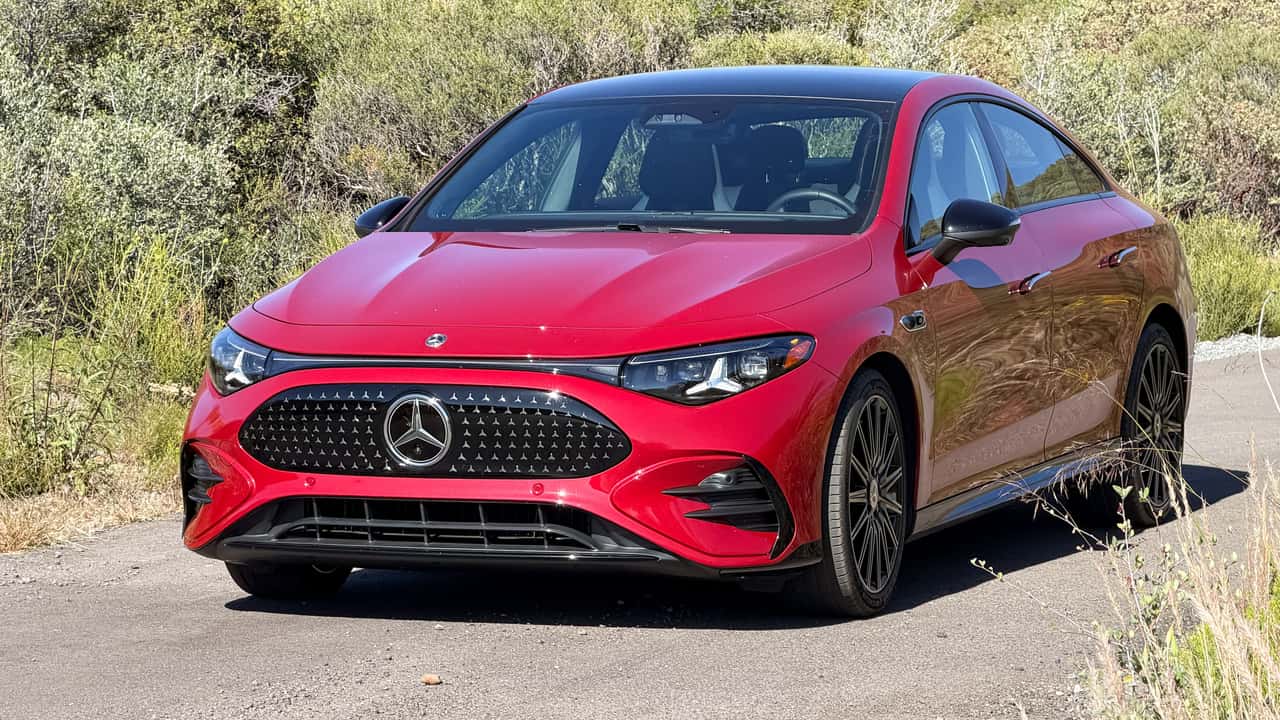
Senate Majority Leader Chuck Schumer has provided crucial clarification, stating that Mercedes-Benz will not face a ban in the United States. This assurance comes amidst ongoing discussions and the refinement of proposed legislation aimed at safeguarding American data and national security from potential exploitation by foreign adversaries through connected vehicle technology. The initial legislative proposals had raised concerns for established automakers with significant foreign investment, particularly those with ties to China.
Senator Schumer explicitly stated that the current legislative language does not target Mercedes-Benz, thereby alleviating fears of the German luxury automaker being prohibited from operating within the U.S. market. The genesis of these concerns can be traced to the substantial ownership stake held by Chinese investors in Mercedes-Benz. Reports indicate that approximately 20% of the company's shares are owned by Chinese entities. This significant foreign ownership had prompted scrutiny regarding potential data security vulnerabilities and the broader implications of foreign government influence over critical American infrastructure and the sensitive data of U.S. consumers.
The legislative impetus behind these discussions was reportedly driven by anxieties that the sophisticated data-gathering capabilities of modern connected cars could be leveraged by foreign adversaries for intelligence collection or to disrupt operations. Contemporary vehicles are equipped with advanced systems, including infotainment, GPS, and communication modules, which amass vast quantities of data. This data can encompass detailed location history, driving habits, personal preferences, and even biometric information. The initial intent of the proposed law was to establish a robust framework for vetting and restricting the deployment of such technologies by companies linked to nations identified as national security risks.
However, the legislative process has led to adjustments. As indicated by Senator Schumer, the finalized version of the legislation has been carefully calibrated to avoid overly broad prohibitions that could inadvertently harm legitimate businesses and consumers. The focus appears to have shifted towards more targeted and nuanced measures designed to address specific data security vulnerabilities rather than implementing outright bans predicated solely on ownership percentages. Mercedes-Benz, a venerable and significant participant in the American automotive landscape for decades, has been a prominent subject of these discussions due to its global ownership structure. As the automotive industry continues its rapid integration of advanced digital technologies, the company's proactive commitment to adhering to evolving U.S. data privacy and security regulations will be paramount.
Original source — read the full reporting at the publisher:
Read on InsideEVsGet the weekly AI digest
AI news + new model releases, weekly. Drafted by our agents, reviewed by humans.