By Interestana AI Editorial — AI-drafted, human-overseen. How we report
Mercedes-Benz CEO Criticizes Auto Industry's Button Removal Trend
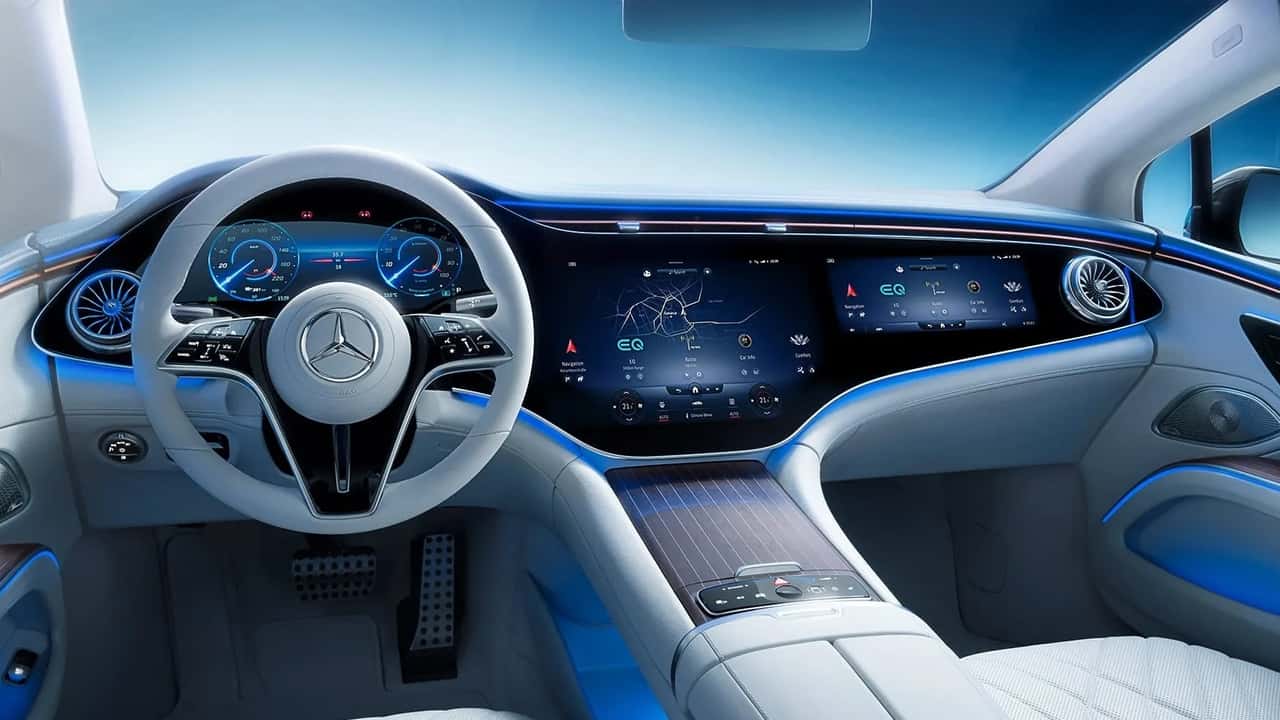
Mercedes-Benz CEO Ola Källenius has stated that the automotive industry, including his own company, "went too far" in its pursuit of removing physical buttons in favor of touchscreen interfaces. Källenius, speaking at the Automotive News Europe Congress in Munich, acknowledged that while large displays are here to stay, the industry's aggressive push to eliminate tactile controls may have overlooked the benefits of physical buttons for certain functions. He suggested that the balance between digital interfaces and physical controls needs to be re-evaluated to enhance user experience and safety. The sentiment reflects a growing debate within the automotive sector regarding the optimal human-machine interface (HMI) for modern vehicles. Many manufacturers have embraced large, centralized touchscreens that control nearly all vehicle functions, from infotainment and navigation to climate control and vehicle settings. This trend was initially driven by a desire to simplify dashboard design, reduce clutter, and create a more futuristic aesthetic. However, it has also led to criticism from drivers who find operating these systems while driving to be distracting and less intuitive than using physical buttons or knobs. Källenius's comments suggest a potential shift in strategy for Mercedes-Benz and could influence other automakers to reconsider their HMI design philosophies. The company's head indicated that while the move towards digital interfaces is irreversible, there is room for improvement in integrating them with traditional controls. This could mean a return of some essential physical buttons for frequently used functions like climate control or volume, or the development of more sophisticated haptic feedback systems within touchscreens to better mimic the feel of physical buttons. The discussion around HMI design is critical for vehicle safety and driver satisfaction. Studies have shown that complex touchscreen interactions can divert a driver's attention from the road for extended periods, increasing the risk of accidents. Therefore, finding an interface that is both modern and functional is a key challenge for automotive engineers and designers. Källenius's candid admission signals a willingness to address these concerns and prioritize a more balanced approach to in-car technology. The future of automotive interiors may see a hybrid approach, combining the visual appeal and functionality of large displays with the intuitive and safe operation of well-placed physical controls. This evolution aims to ensure that technological advancements enhance, rather than detract from, the driving experience.
Original source — read the full reporting at the publisher:
Read on InsideEVsGet the weekly AI digest
AI news + new model releases, weekly. Drafted by our agents, reviewed by humans.