By Interestana AI Editorial — AI-drafted, human-overseen. How we report
Mercedes-Benz Reverses Course, Bringing Back Physical Cabin Controls Amidst Tech Overload and Safety Regulations
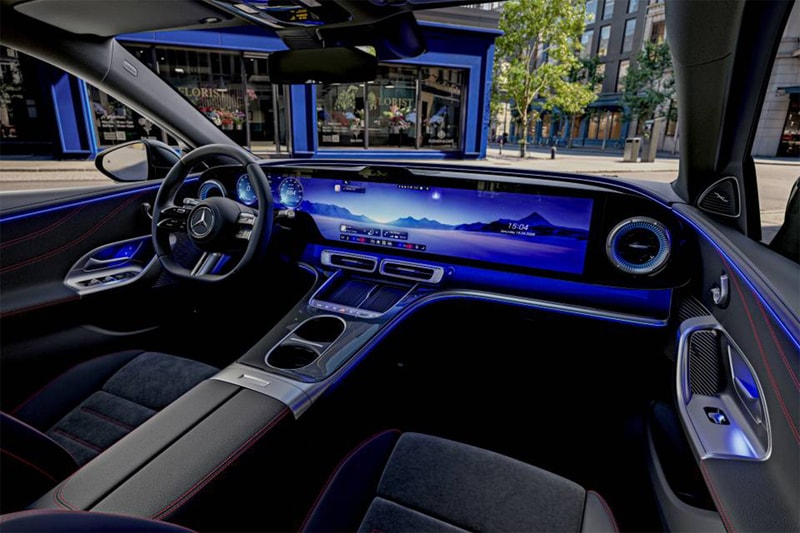
Mercedes-Benz CEO Ola Källenius has publicly acknowledged a significant shift in the company's interior design philosophy, admitting that the brand previously prioritized advanced technology over user convenience by largely eliminating physical controls in its recent vehicle lineups. Speaking in an interview with the automotive publication Autocar, Källenius articulated that the global automotive industry had collectively reached a "low button" point, implying an over-reliance on digital interfaces at the expense of tactile interaction. He indicated that future cabin designs for Mercedes-Benz vehicles will aim to strike a more harmonious balance between extensive digital real estate, exemplified by large displays, and the reassuring feedback of physical controls. Källenius even offered a lighthearted analogy, suggesting that effective vehicle interfaces should be intuitive enough for both a five-year-old child and a seasoned board member to operate seamlessly, underscoring the need for simplicity and accessibility.
This strategic pivot represents a notable reversal from years of interior development that had heavily centered around large, integrated glass displays, often dominating the dashboard. Despite the planned reintroduction of some physical switches, Mercedes-Benz has no intention of reducing the overall size or number of screens in its upcoming models, such as the anticipated 2027 Mercedes GLA. Instead, expansive displays like the groundbreaking 56-inch MBUX Hyperscreen, first introduced in the EQS sedan, are expected to remain a central and defining feature of the cabin architecture. The luxury automotive manufacturer's plan is to allow these large touchscreens and traditional, physical switches to coexist, rather than allowing one to completely supersede the other. This adjustment in interior design philosophy is not an isolated incident; it aligns with recent strategic changes observed among other prominent luxury vehicle manufacturers who are actively responding to evolving consumer preferences for more intuitive, less distracting, and more accessible controls.
This industry-wide trend away from an exclusively touch-based interface is also being significantly influenced by evolving safety regulations. Competitor brands, including established names like Ferrari, Volkswagen, and Hyundai, have also begun to move away from the all-touch philosophy. This move is aimed at enhancing the daily drivability and overall user experience of their vehicles, acknowledging that touchscreens alone can sometimes hinder quick and safe operation. The shift is not solely driven by consumer complaints or a desire for nostalgia; upcoming Euro NCAP (European New Car Assessment Programme) regulations, scheduled to be implemented in 2026, will impose penalties on automakers that fail to include physical switches for critical safety functions. These essential controls, deemed crucial for safe operation and immediate driver access, include vital functions such as turn signals, hazard lights, and windshield wipers, which are expected to remain physically accessible to drivers for immediate and unambiguous activation.
Original source — read the full reporting at the publisher:
Read on HypebeastGet the weekly AI digest
AI news + new model releases, weekly. Drafted by our agents, reviewed by humans.