By Interestana AI Editorial — AI-drafted, human-overseen. How we report
Micron, Samsung Executives Predict RAM Shortage Until 2028
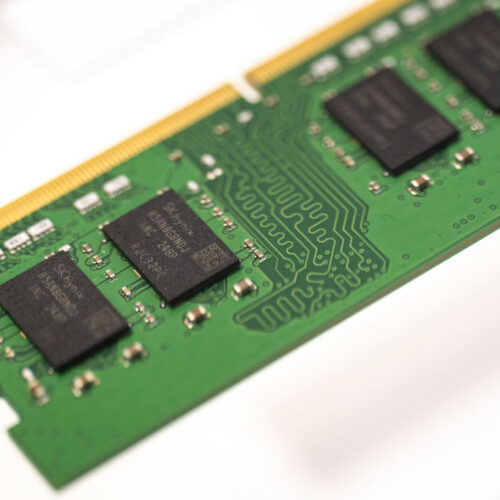
Executives from leading memory manufacturers Micron and Samsung have indicated that a global memory shortage is likely to persist through 2028. Micron CEO Sanjay Mehrotra stated this week that demand for the company's memory products is expected to outstrip its available supply for the foreseeable future. Mehrotra's remarks, made to investors, specifically addressed Micron's business-to-business sales, focusing on High Bandwidth Memory (HBM) crucial for artificial intelligence applications and Dynamic Random-Access Memory (DRAM) used in servers. This strategic prioritization of HBM and server DRAM means that manufacturing capacity is being heavily allocated to these high-demand sectors.
The consequence of this allocation is a reduced capacity for producing memory components destined for consumer devices. While Micron has exited the consumer RAM market, the broader industry trend of prioritizing AI and server memory has ripple effects across the entire semiconductor supply chain. This shift impacts the availability and potentially the pricing of memory chips used in smartphones, laptops, gaming consoles, and other consumer electronics. The ongoing demand for more powerful AI models and the expansion of data centers are driving the unprecedented need for HBM and server DRAM, creating a bottleneck for other segments of the memory market.
Samsung, another major player in the memory market, has echoed similar sentiments regarding the supply-demand imbalance. The company's executives have also pointed to the significant investments and production shifts required to meet the escalating demand for AI-specific memory. This sustained shortage is attributed to several factors, including the rapid advancement of AI technologies that require exponentially more memory, the ongoing expansion of cloud computing infrastructure, and the complex manufacturing processes involved in producing advanced memory chips like HBM. The lead times for building new fabrication plants and scaling up production for these specialized memory types are substantial, contributing to the extended duration of the shortage.
The implications of this prolonged memory shortage extend beyond the semiconductor industry. It poses challenges for technology companies reliant on these components for their product development and manufacturing. The increased cost and limited availability of memory could lead to higher prices for consumer electronics, potentially slowing down innovation cycles or forcing companies to redesign products to use less memory. Furthermore, the shortage could impact the deployment of AI infrastructure globally, as the availability of essential components becomes a critical factor in scaling AI capabilities. Industry analysts suggest that while investments in new manufacturing capacity are underway, it will take several years for supply to fully catch up with the surging demand, reinforcing the outlook that the memory shortage will continue through 2028.
Original source — read the full reporting at the publisher:
Read on Ars TechnicaGet the weekly AI digest
AI news + new model releases, weekly. Drafted by our agents, reviewed by humans.