By Interestana AI Editorial — AI-drafted, human-overseen. How we report
Nikon Small World in Motion Winner Showcases Microscopic View of Genetic Respiratory Disorder
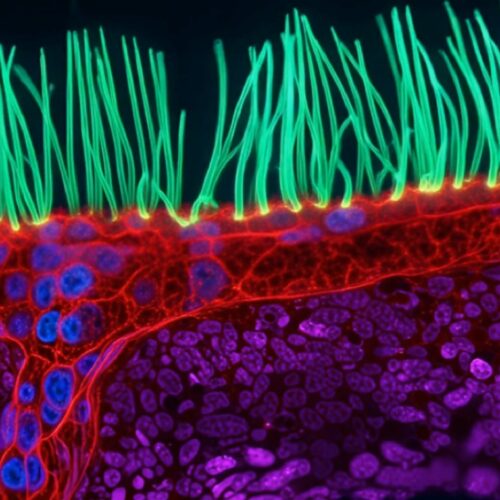
Ning Xu, an optical engineer affiliated with Tsinghua University in Beijing, has been awarded the top prize in Nikon's prestigious Small World in Motion competition. His winning entry is a super-resolution video that vividly illustrates the abnormal beating patterns of cilia within the airways of a child diagnosed with Primary Ciliary Dyskinesia (PCD). This remarkable submission emerged victorious from a competitive pool of 346 video entries, representing the work of scientists and researchers from 40 different countries around the globe.
The Nikon Small World in Motion competition, which was established in 2011, serves as a dynamic extension of Nikon's long-standing Small World Photomicrography Competition. The latter has been a celebrated event in the scientific imaging community since its inception in 1974. Both contests share a common, overarching mission: to illuminate and celebrate the inherent beauty, intricate complexity, and profound scientific significance of subjects observed through the powerful lens of a light microscope. While the Photomicrography competition focuses on capturing striking still images, the Small World in Motion contest embraces the advancements in photovideography, allowing for the creation of dynamic visual narratives through movies and time-lapse sequences.
Primary Ciliary Dyskinesia (PCD) is a rare, inherited genetic disorder that profoundly impacts the function of cilia. Cilia are microscopic, hair-like appendages that are ubiquitously found in various human tissues, playing crucial roles in numerous physiological processes, most notably within the respiratory tract. In a healthy respiratory system, these cilia beat in a coordinated, wavelike fashion. This rhythmic motion is essential for propelling mucus, trapped pathogens, dust particles, and other airborne irritants away from the lungs and airways, facilitating their expulsion from the body through natural mechanisms such as coughing and sneezing. However, in individuals afflicted with PCD, the cilia are fundamentally compromised. These defects can manifest in various ways, including cilia that are abnormally sized or shaped, or even entirely absent. Crucially, their motility is often impaired, exhibiting irregular beating patterns or complete immobility. This functional deficit leads to a critical failure in the clearance of respiratory debris, resulting in the persistent accumulation of irritants within the airways. Consequently, individuals with PCD are highly susceptible to recurrent and severe respiratory infections, chronic inflammation, and a range of other serious health complications affecting their pulmonary health.
Xu's winning video, by employing super-resolution microscopy techniques, offers an unprecedented level of detail in visualizing these microscopic structures. It provides a critical, high-fidelity glimpse into the aberrant ciliary motility characteristic of PCD, thereby offering invaluable insights into the cellular-level pathology of this debilitating genetic disorder. The competition's emphasis on visualizing the microscopic world underscores the indispensable role of advanced imaging technologies in driving scientific discovery and enhancing our understanding of biological systems, medical conditions, and material properties.
Original source — read the full reporting at the publisher:
Read on Ars TechnicaGet the weekly AI digest
AI news + new model releases, weekly. Drafted by our agents, reviewed by humans.