By Interestana AI Editorial — AI-drafted, human-overseen. How we report
Skeleton 150 Identified as Sole Trebuchet Casualty
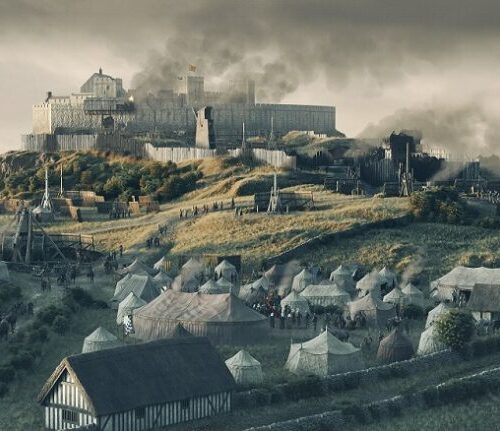
During a medieval siege, a trebuchet, a type of counterweight siege engine, inflicted a fatal and unique injury on a single defender, now identified as Skeleton 150. This individual is the only known historical casualty of a trebuchet attack. The event occurred during a siege at Scotland's Stirling Castle, where the remains of Skeleton 150 were discovered. A small boulder, propelled by the trebuchet, struck the defender's upper back with considerable force, estimated to be traveling at approximately 300 kilometers per hour. The impact resulted in catastrophic bone damage and the individual's death.
University of Bradford paleopathologist Jo Buckberry presented her research on Skeleton 150 at the 25th European Meeting of the Paleopathology Association. Her findings highlight the severity of the injuries sustained by this individual, even among other remains that showed signs of violent death. Skeleton 150's remains were found beneath the chapel of Stirling Castle. The skeletal analysis revealed extensive fragmentation, particularly in the upper body. The skull alone was broken into 61 separate pieces, with an additional 60 bone fragments scattered across the ribs. The right shoulder was fractured, and the right leg above the knee was described as "basically shattered." These injuries are consistent with a high-velocity impact from a heavy projectile.
The discovery of Skeleton 150 provides a rare, tangible link to the destructive power of medieval siege warfare and the specific impact of trebuchet technology. Trebuchets were formidable siege weapons capable of launching large projectiles over considerable distances, often used to breach castle walls or inflict damage on defenders. The precise nature of Skeleton 150's injuries, documented in detail by Dr. Buckberry, offers unique insights into the biomechanics of such impacts and the devastating consequences for individuals caught in their path. The context of the discovery within Stirling Castle, a historically significant fortification, further underscores the event's place in medieval military history. The remains of several other individuals who died violent deaths were also found at the site, but Skeleton 150's injuries were distinct and directly attributable to the trebuchet's projectile.
Original source — read the full reporting at the publisher:
Read on Ars TechnicaGet the weekly AI digest
AI news + new model releases, weekly. Drafted by our agents, reviewed by humans.