By Interestana AI Editorial — AI-drafted, human-overseen. How we report
US Measles Cases Surpass 3,500, Highest in 35 Years
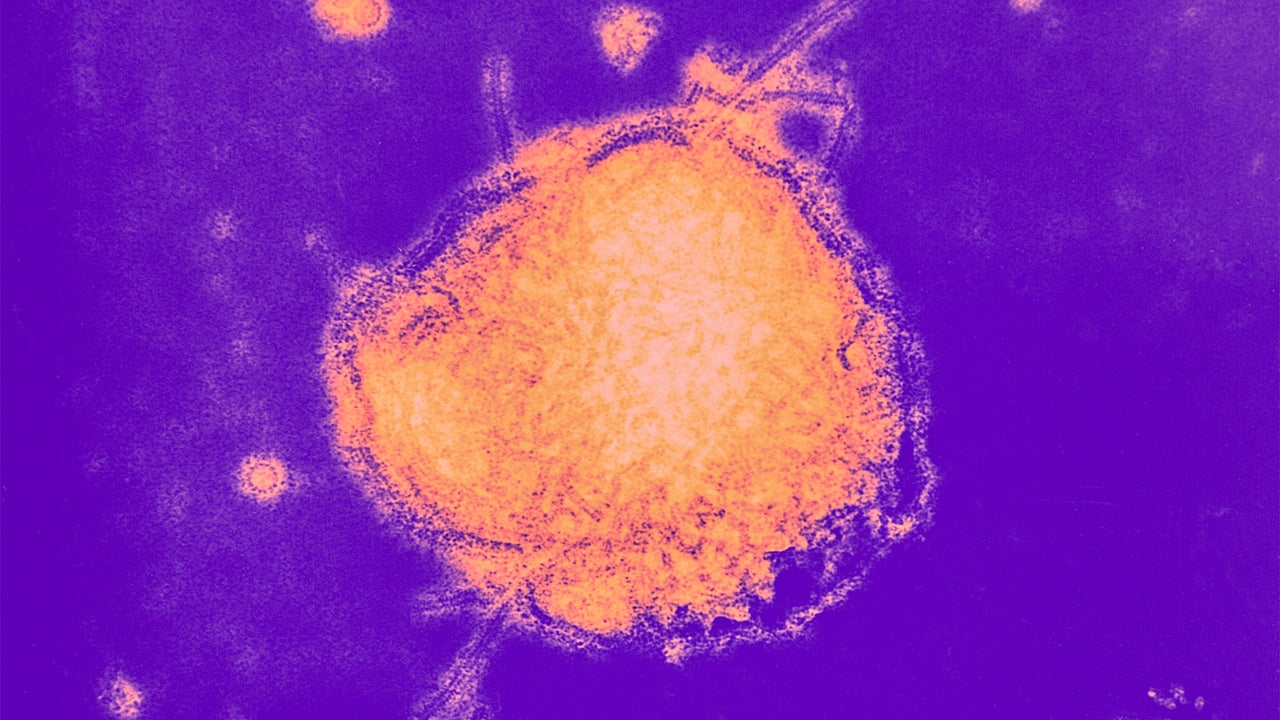
The United States has recorded 3,568 measles cases as of September 18, 2026, marking a significant surge not observed in 35 years. This figure surpasses the total number of U.S. measles cases reported in all of 2025 by nearly 1,300. The last time the nation saw such a high incidence of measles was in 1991, when the U.S. Centers for Disease Control and Prevention (CDC) documented 9,643 cases. The current outbreak's severity is underscored by the fact that 341 cases, nearly 10% of the year's total, occurred in the two weeks leading up to September 18, 2026. Data from the International Vaccine Access Center at the Johns Hopkins Bloomberg School of Public Health tracks these figures, with a slight discrepancy noted when compared to the CDC's official dashboard. The CDC reported 3,471 measles cases as of September 18, 2026, a difference of 97 cases attributed to variations in data update schedules and confirmation processes. The CDC dashboard is updated with confirmed cases notified by noon on Thursdays, while Johns Hopkins updates its data on Fridays with intermittent updates as needed. Measles was officially declared eradicated in the United States in 2000. Between 2000 and 2018, the country typically experienced only dozens to a few hundred cases annually. However, a notable spike occurred in 2019, signaling a resurgence of the highly contagious viral disease. This resurgence has continued, leading to the current unprecedented levels. The International Vaccine Access Center's data, compiled by the Johns Hopkins Bloomberg School of Public Health, serves as a critical tracker for these outbreaks. The surge in measles cases is a public health concern, as measles is preventable through vaccination. The MMR (measles, mumps, and rubella) vaccine is highly effective, and high vaccination rates are crucial for maintaining herd immunity and preventing widespread outbreaks. The increase in cases suggests potential declines in vaccination coverage or challenges in maintaining high immunization rates across certain populations or geographic areas. The specific regions hardest hit by the current outbreaks are detailed on tracker maps, highlighting areas where public health interventions may be most urgently needed. The CDC's role in monitoring and responding to infectious disease outbreaks is paramount, and its data provides essential insights into the epidemiology of measles in the U.S. The discrepancy in numbers between Johns Hopkins and the CDC, while minor, reflects the complexities of real-time disease surveillance and reporting. Both organizations contribute to a comprehensive understanding of the measles situation, emphasizing the need for continued vigilance and public health efforts to control the spread of the virus.
Original source — read the full reporting at the publisher:
Read on Fast CompanyGet the weekly AI digest
AI news + new model releases, weekly. Drafted by our agents, reviewed by humans.