By Interestana AI Editorial — AI-drafted, human-overseen. How we report
Coroner Confirms Measles Caused Baby's Death
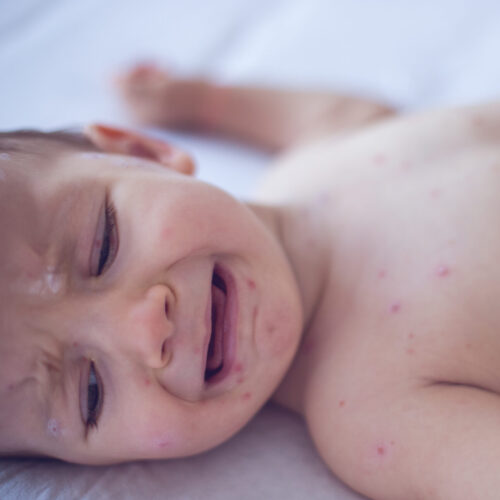
A six-week-old baby girl in Lancaster, Pennsylvania, died from measles, a fact confirmed by the county coroner to local press on Friday. Stephen Diamantoni, who has served as coroner since his first election in 2007, stated that the infant passed away at her home. According to Diamantoni, the baby had a severe genetic condition known as Amish lethal microcephaly. This disorder is characterized by infants being born with significantly underdeveloped brains and unusually small heads. The underlying cause of Amish lethal microcephaly is a mutation in the SLC25A19 gene. This gene is responsible for coding a protein crucial for the function of energy-producing enzymes within the mitochondria, which are vital for proper brain development. The prevalence of this condition within the Old Order Amish population of Pennsylvania is approximately 1 in 500 births. Infants diagnosed with Amish lethal microcephaly typically have a very limited life expectancy, surviving only for about six months. The confirmation of measles as the cause of death comes amidst public statements disputing the role of the disease in infant mortality, notably from Robert F. Kennedy Jr., who has been a vocal critic of vaccine efficacy and safety. Measles is a highly contagious viral illness that can lead to serious complications, particularly in infants and individuals with compromised immune systems. Symptoms typically include fever, cough, runny nose, red eyes, and a characteristic rash. While measles was declared eliminated in the United States in 2000 due to widespread vaccination efforts, recent years have seen a resurgence of outbreaks, often linked to declining vaccination rates. The Centers for Disease Control and Prevention (CDC) recommends the measles, mumps, and rubella (MMR) vaccine as a safe and effective way to prevent the disease. The MMR vaccine is typically administered in two doses, with the first dose given between 12 and 15 months of age and the second dose between 4 and 6 years of age. The confirmation of this infant's death from measles underscores the ongoing public health challenge posed by vaccine-preventable diseases and highlights the importance of maintaining high vaccination coverage rates to protect vulnerable populations, including very young infants who are too young to be vaccinated themselves.
Original source — read the full reporting at the publisher:
Read on Ars TechnicaGet the weekly AI digest
AI news + new model releases, weekly. Drafted by our agents, reviewed by humans.