By Interestana AI Editorial — AI-drafted, human-overseen. How we report
Mazda's New EV SUV Allows Customizable Pedestrian Alerts, Raising Safety Concerns Over Unfiltered Audio
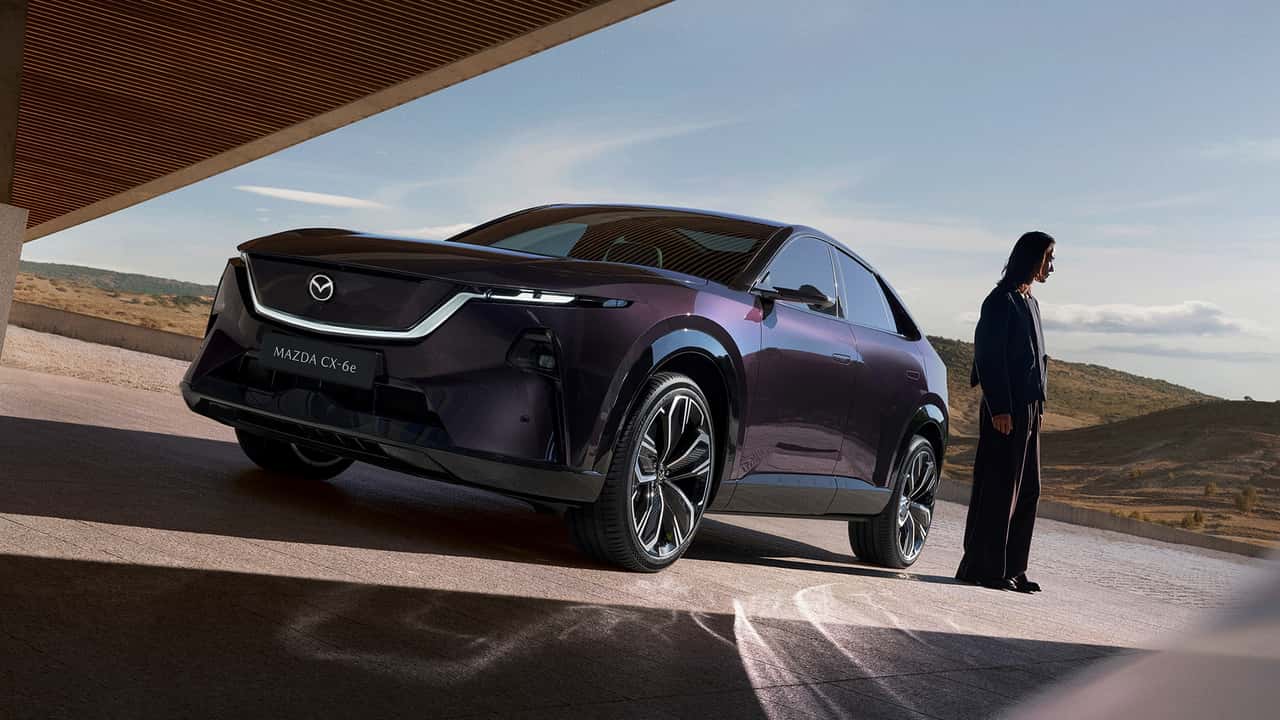
Mazda has introduced a novel pedestrian alert system for its latest electric vehicle SUV, designed to enhance safety by providing audible warnings to individuals outside the vehicle. This system allows drivers to record and broadcast custom audio messages, a feature intended to offer a more personalized and potentially clearer alert than standard synthesized sounds. However, the automaker appears to have overlooked the critical need for content moderation, leaving the system open to the broadcast of inappropriate language, including profanity, and other potentially disruptive or offensive messages. The core intention behind such external audio systems in electric vehicles (EVs) is to address the inherent quietness of electric powertrains at low speeds. Regulations in many regions, including the United States with the Pedestrian Safety Enhancement Act of 2010, mandate that EVs emit sound at speeds below 19 mph to alert pedestrians, cyclists, and visually impaired individuals who might not otherwise hear an approaching vehicle. Mazda's system, by allowing user-generated content, offers a unique level of driver customization, but this flexibility comes with significant risks.
The absence of built-in guardrails or content filtering mechanisms means that the system could be easily misused. Drivers might choose to broadcast harassing messages, distracting sounds, or even false alarms, thereby undermining the very safety purpose the feature is meant to serve. This potential for misuse could transform a safety innovation into a public nuisance or even a tool for harassment, creating a negative perception of the technology and the brand. The broader automotive industry is increasingly incorporating external sound systems into EVs. Competitors like Nissan with its Leaf, and BMW with its i3, have implemented various forms of audible alerts. However, these systems typically rely on pre-approved, standardized sounds or limited customization options that prioritize safety and avoid offensive content. Mazda's approach, while innovative in its personalization, stands out for its apparent lack of oversight. Industry experts and safety advocates are expected to scrutinize this feature closely, emphasizing the paramount importance of responsible implementation in advanced automotive technologies. The challenge lies in balancing the desire for driver customization and technological advancement with the non-negotiable requirement of public safety and ethical use. As of now, Mazda has not publicly detailed any plans to implement content restrictions or moderation for this feature, leaving the potential for misuse unaddressed.
Original source — read the full reporting at the publisher:
Read on InsideEVsGet the weekly AI digest
AI news + new model releases, weekly. Drafted by our agents, reviewed by humans.