By Interestana AI Editorial — AI-drafted, human-overseen. How we report
Mazda CX-60e Integrates LiDAR for Advanced Driver Assistance
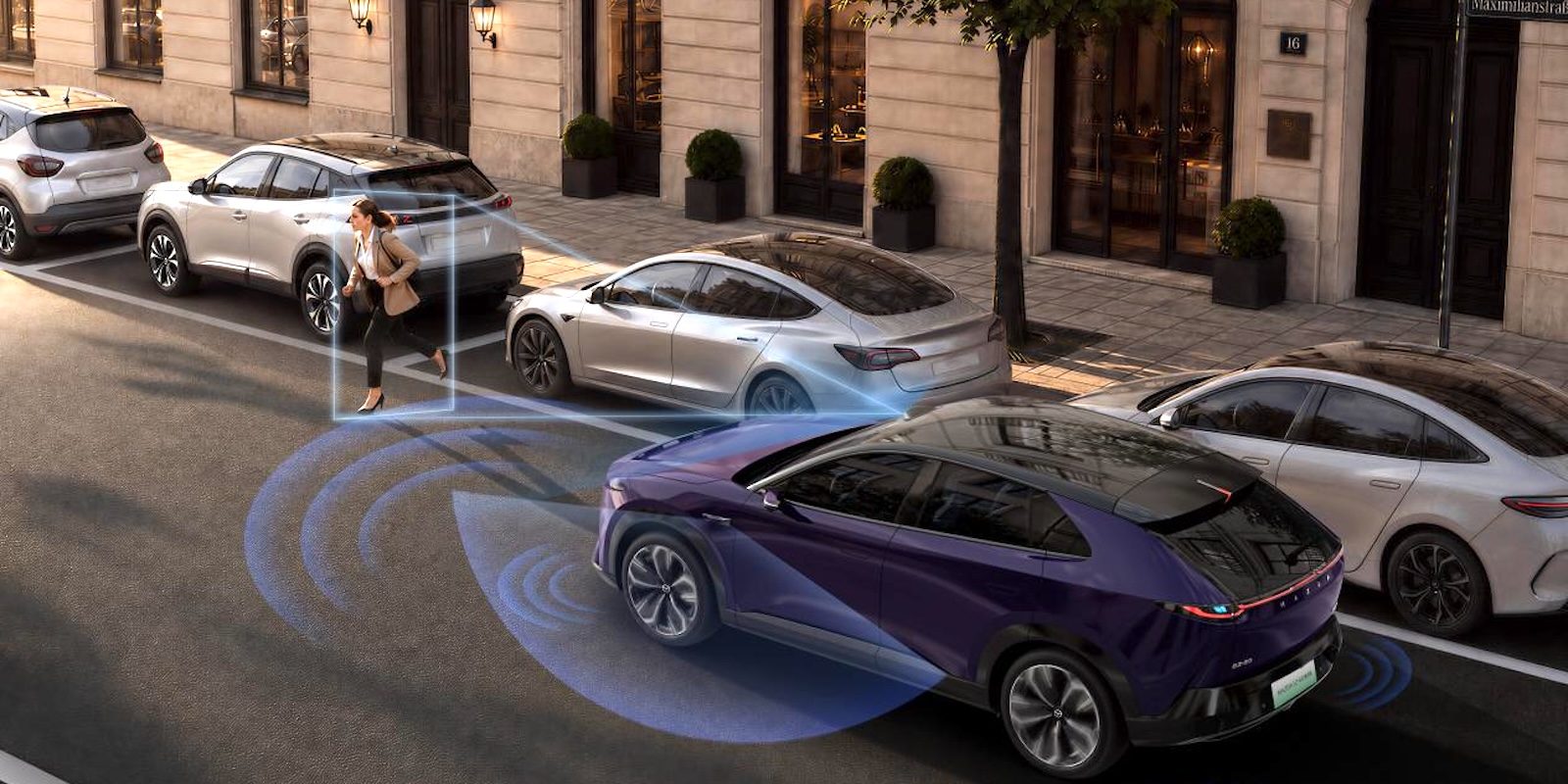
Mazda has upgraded its CX-60e electric SUV with a new LiDAR suite, enhancing its advanced driver-assistance systems (ADAS) to offer "advanced L2" autonomy. This technological integration allows the vehicle to perform navigation on autopilot (NOA) and execute automated parking maneuvers. The inclusion of LiDAR, a remote sensing method that uses light in the form of a pulsed laser to measure variable distances to the Earth, is a significant step towards more sophisticated autonomous driving features in consumer vehicles. LiDAR sensors emit laser pulses and measure the time it takes for the reflected light to return, creating a detailed 3D map of the surroundings. This detailed environmental perception is crucial for advanced ADAS functions like NOA, which allows the vehicle to navigate complex road scenarios, including highways and urban environments, with minimal driver intervention. The automated parking functionality further leverages this enhanced sensing capability, enabling the CX-60e to identify parking spaces and maneuver itself into them. The "advanced L2" designation refers to a level of automation where the vehicle can control both steering and acceleration/deceleration under specific conditions, but the driver must remain engaged and ready to take over at any time. This is a step beyond basic L2 systems, suggesting improved performance in more challenging driving situations. The rollout of this updated technology is initially focused on the Chinese market, indicating Mazda's strategic approach to deploying advanced features in key automotive markets. The CX-60e, positioned as a sporty electric SUV, benefits from these upgrades, aiming to enhance its appeal to tech-savvy consumers. The integration of LiDAR is becoming increasingly common in the automotive industry as manufacturers strive to meet consumer demand for safer and more convenient driving experiences, while also preparing for future advancements in autonomous driving technology. This move by Mazda aligns with broader industry trends towards sensor fusion, where data from multiple sensor types, including cameras, radar, and LiDAR, are combined to create a more robust and reliable understanding of the vehicle's environment. The specific LiDAR system implemented in the CX-60e has not been detailed, but its capabilities suggest a high-resolution sensor capable of detecting objects, pedestrians, and road infrastructure with greater precision, even in adverse weather conditions or low-light environments where traditional cameras might struggle. The company's decision to equip the CX-60e with these advanced features underscores its commitment to innovation in the electric vehicle segment and its efforts to compete effectively in the rapidly evolving automotive landscape, particularly in markets with a strong appetite for cutting-edge technology.
Original source — read the full reporting at the publisher:
Read on ElectrekGet the weekly AI digest
AI news + new model releases, weekly. Drafted by our agents, reviewed by humans.