By Interestana AI Editorial — AI-drafted, human-overseen. How we report
EU May Loosen EV Rules Again, Aiding China
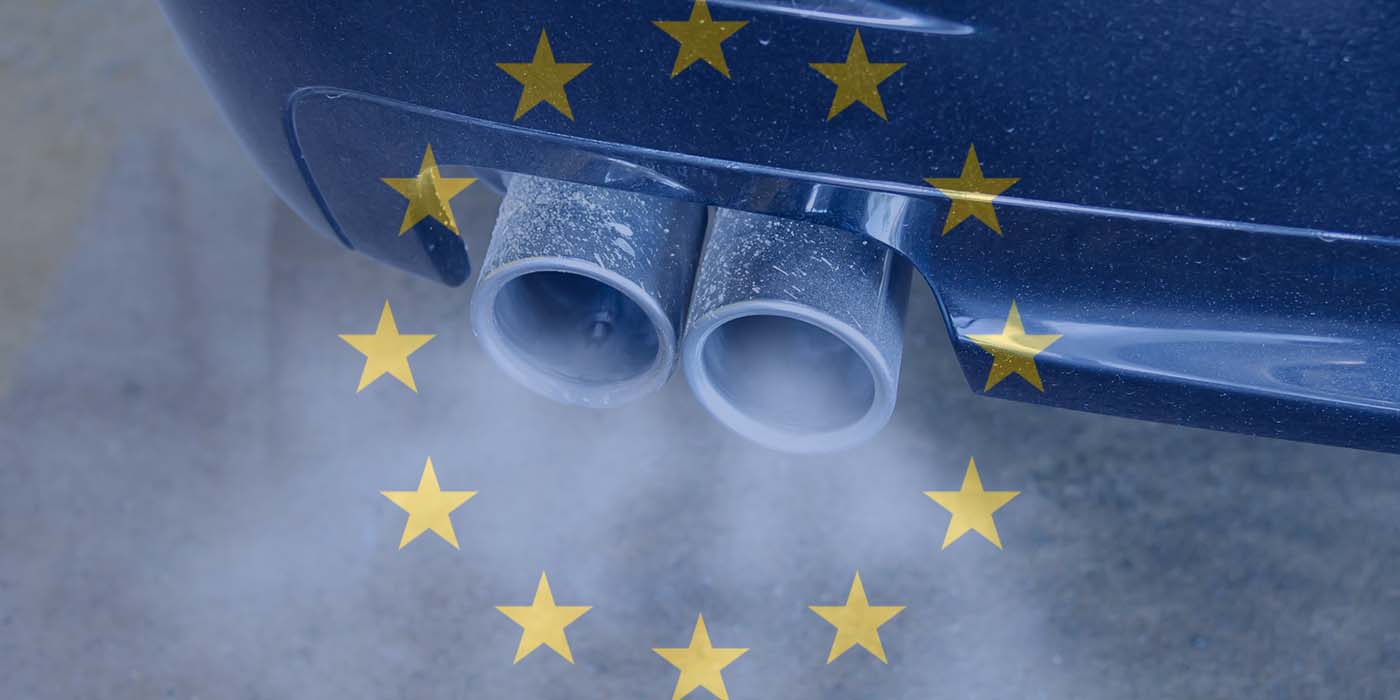
The European Union is reportedly close to finalizing a new agreement that would ease regulations on electric vehicle (EV) production for its domestic automakers. This potential revision marks the third such adjustment within the last two years, signaling a shift in the bloc's approach to automotive industry standards. The proposed changes could allow manufacturers more flexibility in meeting current production targets, a move that critics argue may inadvertently bolster the competitive position of Chinese EV manufacturers. This development comes at a time when Europe has experienced significant climate-related events, including historic fuel crises and a summer marked by tens of thousands of deaths attributed to climate impacts. Critics contend that by potentially relaxing EV production rules, the EU risks leaving its own automakers unprepared to compete with China, a country that has been actively developing and promoting solutions to environmental challenges, including electric mobility. The specific details of the proposed deal have not yet been fully disclosed, but the underlying intent appears to be providing relief to European carmakers facing production pressures and stringent emissions targets. However, the timing of this potential regulatory rollback is drawing scrutiny, particularly in light of the ongoing climate crisis and the urgent need for a transition to sustainable transportation. The European automotive industry has been grappling with the high costs and complexities of transitioning to electric powertrains, alongside increasing competition from global players. China, in particular, has made substantial investments in EV technology and manufacturing, establishing itself as a dominant force in the global market. The EU's previous adjustments to EV regulations were also aimed at providing breathing room for its industry, but concerns persist that these measures may be delaying a more robust and competitive transition. The debate highlights a fundamental tension between supporting domestic industries through regulatory flexibility and fostering innovation and long-term competitiveness in a rapidly evolving global market. Environmental advocates and some industry analysts are urging the EU to maintain or even strengthen its emissions standards to accelerate the adoption of zero-emission vehicles and to align with global climate goals. They argue that a more ambitious regulatory framework would incentivize greater investment in EV technology and infrastructure, ultimately benefiting both the environment and the European economy. The potential loosening of rules could also have implications for the EU's broader climate objectives, as a slower transition to electric vehicles might hinder efforts to reduce transport sector emissions. The outcome of these negotiations will be closely watched by automakers, policymakers, and environmental stakeholders across the globe, as it could shape the future of the European automotive landscape and its role in the global transition to sustainable transport.
Original source — read the full reporting at the publisher:
Read on ElectrekGet the weekly AI digest
AI news + new model releases, weekly. Drafted by our agents, reviewed by humans.