By Interestana AI Editorial — AI-drafted, human-overseen. How we report
Matternet Aims for Ubiquitous Drone Delivery with New M3 System, Partnering with Dave's Hot Chicken
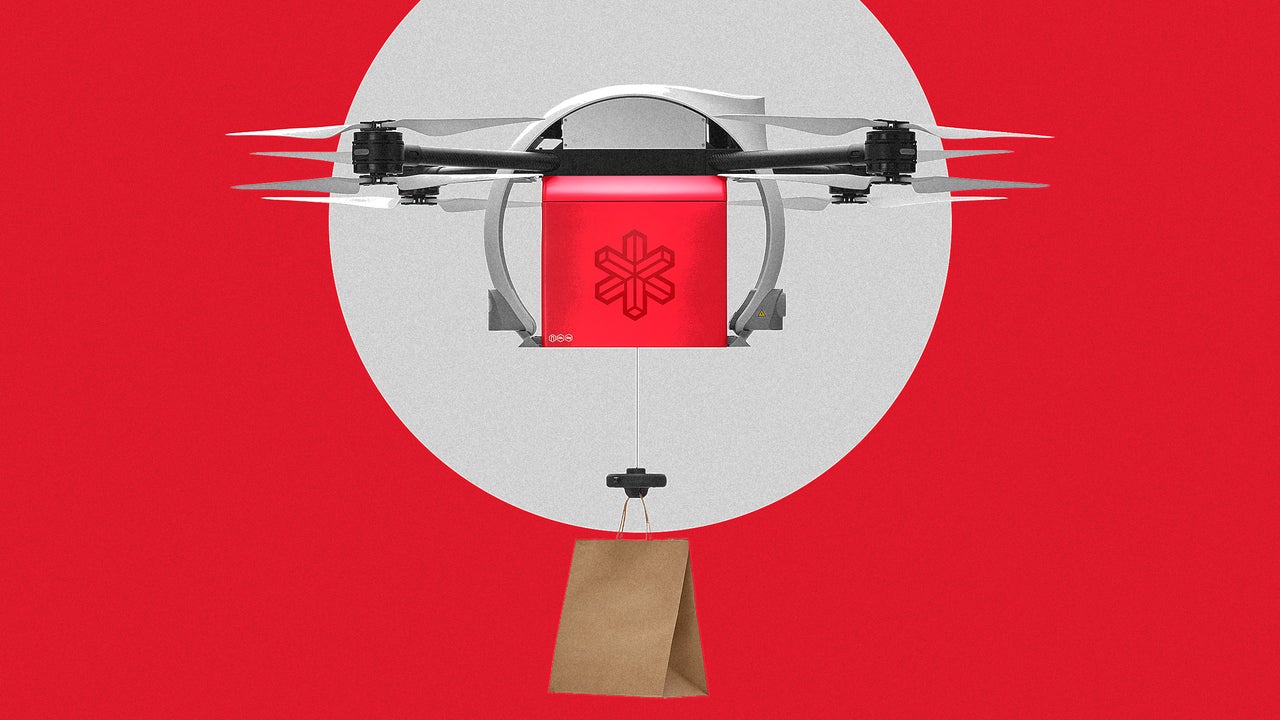
Matternet is preparing to launch its M3 autonomous drone delivery system, a significant upgrade designed to establish drone delivery as a ubiquitous utility, comparable to essential services like water or electricity for businesses. The M3 architecture introduces more powerful drones capable of carrying payloads up to 11 pounds, a substantial increase over some existing systems. Complementing these drones are simplified and lower-cost dock stations, which Matternet intends to install directly on the premises of its clients, including restaurants, retailers, and hospitals. This strategic placement aims to streamline the logistics of last-mile delivery.
The company has announced its initial U.S. partner will be Dave's Hot Chicken, a popular fast-casual restaurant chain known for its spicy fried chicken. This partnership strongly suggests an initial focus on the lucrative food delivery sector, a key area for drone delivery innovation. Matternet CEO Andreas Raptopoulos has articulated a clear vision for the future of drone delivery, describing it as a service that should be "largely invisible, dependable, and low-cost." He likens the integration of drone delivery for businesses to how a building connects to fundamental utilities.
The M3 system is slated for a commercial service rollout in the second half of 2027. However, at this stage, Matternet has not yet disclosed specific details regarding anticipated order volumes or the planned operational routes. This launch will occur within a nascent and evolving U.S. drone delivery market that continues to grapple with significant challenges. These include complex regulatory hurdles from agencies like the Federal Aviation Administration (FAA), opposition from local residents concerned about noise and privacy, and the current limited availability of drone delivery services across the country.
The competitive landscape in the U.S. is already populated by several major players. These include Amazon Prime Air, Flytrex, Wing (a subsidiary of Alphabet, Google's parent company), and Zipline. Amazon, for example, is actively operating flights from multiple sites across key metropolitan areas such as Dallas-Fort Worth, Houston, Phoenix, Detroit, and Tampa. Its current drones carry payloads of up to 5 pounds over distances of approximately 7.5 miles. Amazon has ambitious expansion plans, aiming to extend its service to the suburban communities of nearly 500 cities and towns by the end of 2026, indicating a strong push for widespread adoption.
In contrast to the U.S. market's current developmental stage, China is aggressively advancing its "low-altitude economy," a term encompassing the use of airspace below 1,000 feet. Meituan, a leading Chinese e-commerce and delivery platform, began exploring drone delivery in 2017 and successfully launched its first commercial service in Shenzhen in 2021. By the end of June, Meituan had surpassed one million drone delivery orders globally, demonstrating significant operational scale and customer acceptance. More recently, Meituan introduced a dedicated McDonald's delivery route in Shanghai, further highlighting the integration of drone technology into mainstream food service.
Market research firms offer varying perspectives on the future growth of the global drone delivery market. For 2026, estimates range widely from a conservative $360 million to a more optimistic $5.06 billion. Looking further ahead, projections for 2034 suggest a substantial increase, with one forecast predicting the market could reach $20.98 billion, underscoring the immense potential and the ongoing race to capture market share in this burgeoning industry.
Original source — read the full reporting at the publisher:
Read on Fast CompanyGet the weekly AI digest
AI news + new model releases, weekly. Drafted by our agents, reviewed by humans.