By Interestana AI Editorial — AI-drafted, human-overseen. How we report
Mass Sardine Die-Off Threatens South African Penguins
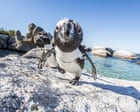
A significant mass die-off of sardines, also known as pilchards, began on July 28, 2026, with initial reports from fishers near Saldanha Bay on South Africa's west coast. By early August, dead sardines started washing ashore on beaches around Cape Town, signaling a widespread ecological event. Over the subsequent weeks, similar incidents were reported across an extensive stretch of coastline, spanning approximately 2,600 kilometers (1,600 miles). These reports originated from locations as far north as Henties Bay in Namibia and as far south as Mbotyi in the Eastern Cape province of South Africa, indicating a pervasive issue affecting the marine ecosystem.
Sardines are a crucial food source, often referred to as the 'energy bars of the sea,' for numerous marine species, including the African penguin. The dramatic decline in sardine populations poses a severe threat to the survival of these penguins, which rely on the fish for sustenance. This ecological crisis creates a direct conflict between the conservation needs of endangered species and the economic livelihoods of fishing communities. The fishing industry faces significant financial repercussions if fisheries are closed to allow sardine numbers to recover, with potential losses estimated in the millions of dollars.
The exact cause of the mass sardine die-off remains under investigation, but potential factors include environmental changes, disease outbreaks, or a combination of stressors impacting the fish populations. The scale of the event, affecting such a vast geographical area, suggests a systemic issue within the marine environment. Scientists and conservationists are closely monitoring the situation to understand the long-term implications for both marine biodiversity and the human communities dependent on these resources. The situation highlights the delicate balance of marine ecosystems and the vulnerability of species to environmental fluctuations and human activities.
This ecological challenge underscores the complex interdependencies within marine food webs. The decline of a foundational species like the sardine can have cascading effects, impacting predator populations and the overall health of the ocean. The dilemma faced by South Africa involves balancing immediate economic needs with the urgent requirement for conservation to prevent further ecological damage and protect vulnerable species like the African penguin from potential extinction. The outcome of this situation will likely depend on effective management strategies that consider both environmental sustainability and the socio-economic well-being of coastal communities.
Original source — read the full reporting at the publisher:
Read on The Guardian EnvironmentGet the weekly AI digest
AI news + new model releases, weekly. Drafted by our agents, reviewed by humans.