By Interestana AI Editorial — AI-drafted, human-overseen. How we report
Mark Cuban Slams California Billionaire Wealth Tax Plan
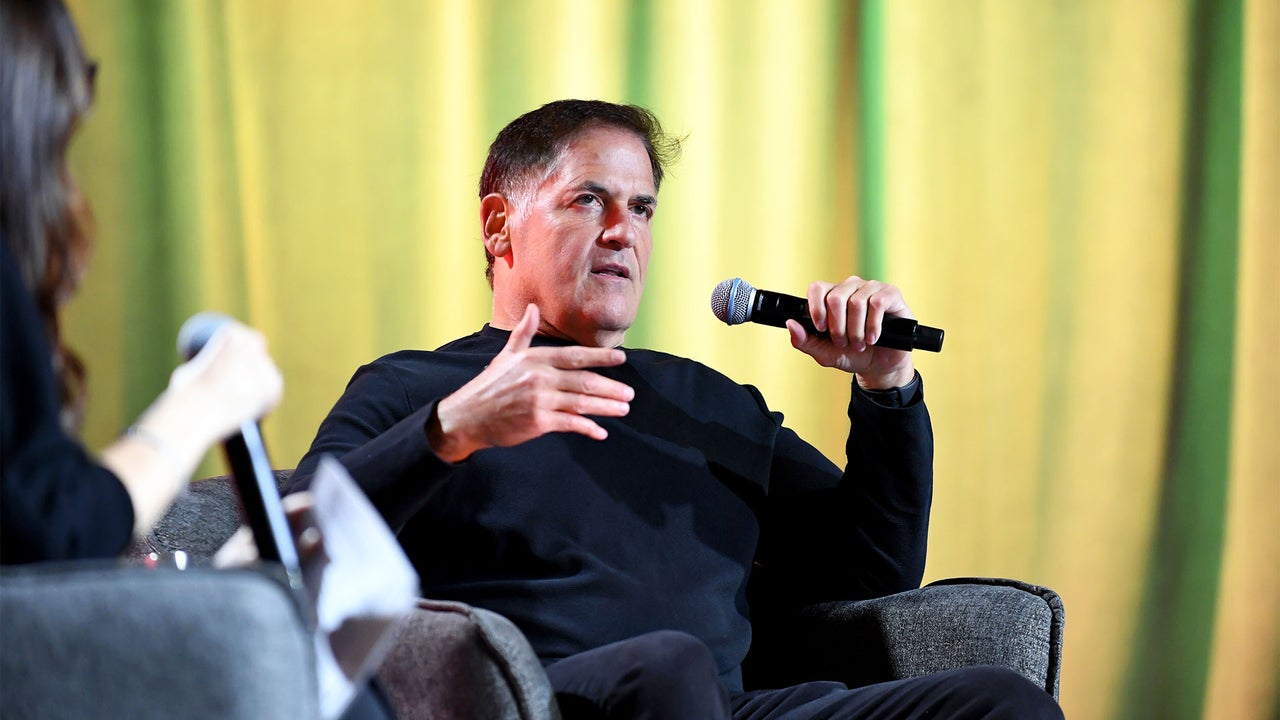
Entrepreneur Mark Cuban has voiced strong opposition to California's Proposition 40, a proposed one-time 5% wealth tax on billionaires, labeling the plan "insane." Cuban's remarks came during a recent episode of the Pivot podcast, where he discussed his public disagreement with U.S. Representative Ro Khanna, a California Democrat and proponent of the measure. Proposition 40 is slated to appear on California's ballot in November, aiming to tax individuals residing in the state with assets exceeding $1 billion, encompassing stocks, bonds, and other legal or equitable interests. With an estimated 259 billionaires currently living in California, the proposed 5% tax could potentially generate tens of billions of dollars intended for public services. The revenue generated would be allocated to two specific funds: 90% would be directed to the Billionaire Tax Health Account, designated for funding Medi-Cal and other health coverage programs, while the remaining 10% would go to the Billionaire Tax Education and Food Assistance Account, supporting food assistance initiatives and K-14 school meal programs. Individuals subject to this tax would have the flexibility to pay the entire sum with their 2027 tax filings or to spread the payment across five equal installments, commencing in 2027. Representative Khanna has advocated for the measure, stating in a promotional video that its passage would "ensure that millions of working-class and middle-class Californians won’t lose their healthcare." He further asserted that the initiative demonstrates a desire among California voters for a Democratic Party that prioritizes the working class over the billionaire class. The California Democratic Party and the California labor movement have publicly aligned with Khanna on this issue. Cuban's criticism centers on the practical and economic implications of such a tax, suggesting it is an unrealistic and potentially damaging policy. He has previously expressed concerns that such proposals reflect a broader societal sentiment that wealthy individuals are unfairly targeted. The debate highlights a significant divide in perspectives on wealth distribution and taxation policies within California and the broader United States, with proponents arguing for increased public funding and opponents raising concerns about economic impact and fairness.
Original source — read the full reporting at the publisher:
Read on Fast CompanyGet the weekly AI digest
AI news + new model releases, weekly. Drafted by our agents, reviewed by humans.