By Interestana AI Editorial — AI-drafted, human-overseen. How we report
Rural Indian Widows Show Resilience in Documentary
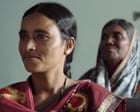
Kinshuk Surjan's documentary "Marching in the Dark" offers a sensitive portrayal of rural Indian widows confronting profound challenges in the wake of farmer suicides. The film, shot in Maharashtra, a state with the highest rate of farmer suicides in India, delves into the lingering tragedy that befalls women left behind by their deceased husbands. Over the past two decades, India has witnessed more than 400,000 farmer suicides, largely attributed to mounting debts and low crop prices, according to reports. These circumstances exacerbate the already precarious social and financial positions of widows in a society still deeply entrenched in patriarchal values.
The documentary focuses on women like Sanjivani, who, in her 30s, has shouldered farming responsibilities and taken on odd jobs to support her two children eight years after her husband's suicide. The film captures her relentless work ethic, showing her not only in the fields but also performing extensive domestic labor for her extended family, including cooking, cleaning, and laundry. Her resilience is presented as a testament to the human spirit, but the film emphasizes that her strength is amplified by the crucial emotional support she receives from a close-knit network of fellow widows. These women find solace and strength in communal gatherings and counseling sessions, where they can openly discuss their emotional, physical, and financial struggles without judgment.
"Marching in the Dark" illustrates how these women, united by shared grief and hardship, form a vital support system. Their collective strength allows them to navigate the complex social landscape, challenge deeply ingrained taboos, and strive for economic independence. The film highlights their efforts to overcome poverty and social isolation, demonstrating their determination to build a better future for themselves and their families. By focusing on their shared experiences and mutual encouragement, Surjan's documentary underscores the power of community and solidarity in the face of overwhelming adversity. The narrative moves beyond simply depicting suffering, instead celebrating the agency and enduring spirit of these women as they forge new paths and redefine their roles within their communities. The film serves as a poignant reminder of the often-unseen struggles faced by marginalized women and the profound impact of collective action in fostering resilience and hope.
Original source — read the full reporting at the publisher:
Read on The Guardian CultureGet the weekly AI digest
AI news + new model releases, weekly. Drafted by our agents, reviewed by humans.