By Interestana AI Editorial — AI-drafted, human-overseen. How we report
Amos Gitai Returns to Gaza With West Bank Plight Film
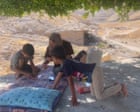
Veteran Israeli writer-director Amos Gitai, once described as Israel’s ‘one-man New Wave,’ has returned to the Venice Film Festival with his new film, 'The Road to Jericho.' This poetic work aims to draw international attention to the difficult circumstances faced by Palestinians in the occupied West Bank, specifically focusing on the village of Khan al-Ahmar. The village, situated off Highway-1 between Jerusalem and Jericho, is home to a unique educational facility known as the “school of tires.” This makeshift structure, constructed from rubber, wood, and adobe, serves approximately 300 Bedouin children. The Israeli authorities have denied the villagers an official building permit, deeming the entire settlement illegal. For the past eight years, the school has operated under the constant threat of demolition, becoming a potent symbol of resistance against pervasive settler violence.
Gitai stated that international pressure has been instrumental in preserving the school and allowing it to remain open. He characterized the school as a “litmus paper,” representing a crucial test of the international community's commitment to protecting the rights of the people of Khan al-Ahmar. He specifically acknowledged a moment where Europe collectively opposed the demolition, stating, “For once, on this issue, Europe stood up and said no.” However, Gitai expressed uncertainty about the long-term future of the village and its school, acknowledging the precariousness of their situation.
The film's focus on Khan al-Ahmar underscores the broader issues of displacement, land confiscation, and the denial of basic infrastructure faced by Palestinian communities under Israeli occupation. The “school of tires” itself is a testament to the resilience of these communities in the face of systemic challenges. Gitai’s work often delves into the complex socio-political landscape of Israel and Palestine, seeking to offer nuanced perspectives on conflict and coexistence. His return to Venice with a film addressing the plight of those in the West Bank signifies a continued dedication to using cinema as a platform for social commentary and advocacy. The film’s presentation at a major international festival like Venice provides a significant global stage for these often-overlooked narratives, aiming to foster greater understanding and potentially influence international policy and public opinion regarding the ongoing occupation.
Original source — read the full reporting at the publisher:
Read on The Guardian CultureGet the weekly AI digest
AI news + new model releases, weekly. Drafted by our agents, reviewed by humans.