By Interestana AI Editorial — AI-drafted, human-overseen. How we report
Hiker Impaled by Pole Descends 10 Miles Down Montana's Granite Peak
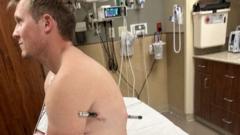
David Cifaldi demonstrated extraordinary resilience and determination by hiking approximately 10 miles down Montana's formidable Granite Peak after a hiking pole became impaled in his side. Instead of waiting for a helicopter rescue, which would typically be the protocol for such a severe injury in a remote mountain environment, Cifaldi chose to navigate the challenging descent himself. This remarkable feat of endurance occurred on Granite Peak, a mountain renowned for its rugged and demanding terrain, located within the Absaroka-Beartooth Wilderness in Montana. The Absaroka-Beartooth Wilderness is a vast, federally protected area characterized by high alpine meadows, glaciers, and steep, rocky slopes, making any movement difficult even under normal circumstances.
Granite Peak itself is the highest natural point in Montana, reaching an elevation of 12,807 feet. Its summit is a challenging climb, often requiring technical mountaineering skills and significant physical exertion. The descent, particularly with a life-threatening injury like a hiking pole impalement, would be exceptionally arduous. The terrain typically involves scree fields, exposed ridges, and potential for unpredictable weather, including sudden storms and temperature drops, even during summer months. The fact that Cifaldi managed to traverse such a distance under these conditions, with a foreign object lodged in his body, speaks volumes about his physical and mental fortitude.
The decision to self-evacuate rather than await a helicopter rescue highlights several critical factors. Firstly, it suggests a potentially long wait time for aerial assistance in such a remote location, or perhaps Cifaldi assessed his immediate surroundings and determined that self-extraction was the most viable option. Secondly, it underscores a profound commitment to survival and a refusal to succumb to the severity of his injury. The 10-mile distance is significant; for an uninjured hiker, this descent could take many hours, involving careful navigation and careful footing. For Cifaldi, this journey would have been compounded by immense pain and the constant risk of exacerbating his injury.
While the specific details of how the hiking pole became impaled are not elaborated upon, the narrative focuses on the aftermath and Cifaldi's subsequent actions. The absence of immediate medical intervention upon reaching safety is not detailed, but it implies that he either reached a point where further assistance was readily available or managed his condition until professional medical help could be accessed. This incident serves as a powerful, albeit extreme, illustration of the inherent dangers of mountaineering and the critical importance of self-reliance, quick thinking, and an indomitable will to survive when faced with life-threatening emergencies in the wilderness.
Original source — read the full reporting at the publisher:
Read on BBC World NewsGet the weekly AI digest
AI news + new model releases, weekly. Drafted by our agents, reviewed by humans.