By Interestana AI Editorial — AI-drafted, human-overseen. How we report
Manchester City Unveils First Professional AI Fan-Designed Football Kit
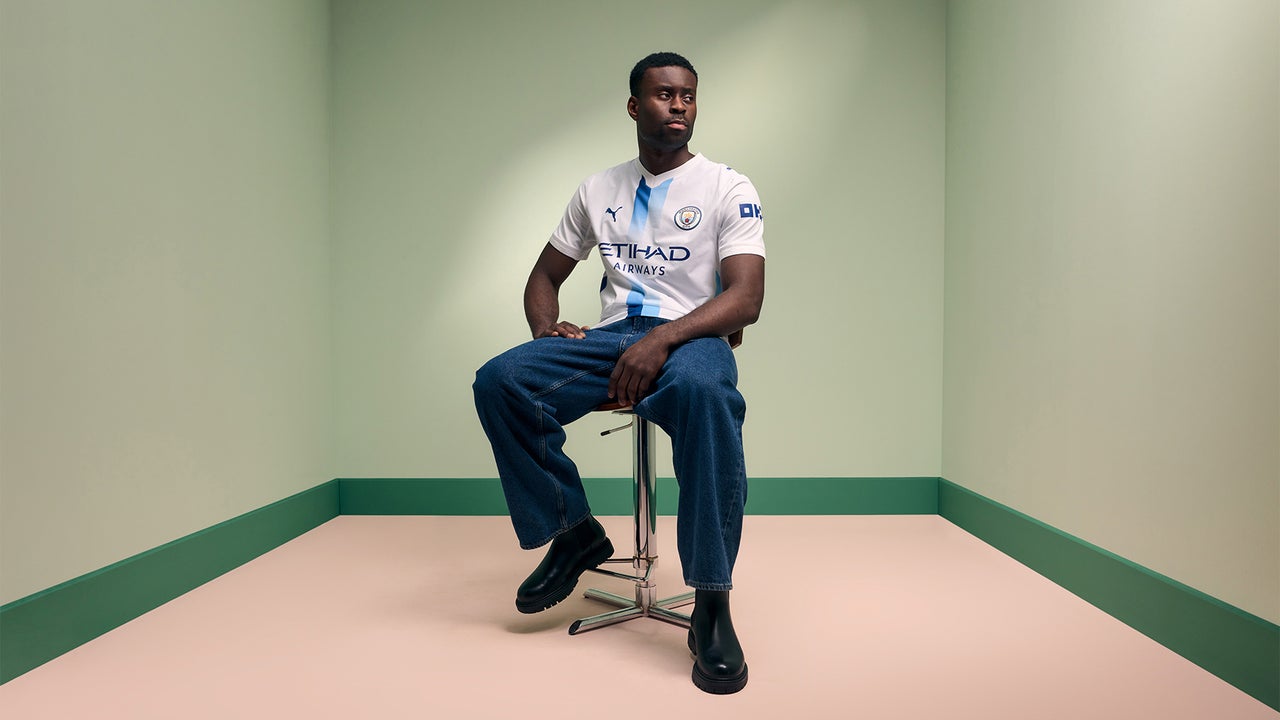
Manchester City has achieved a significant milestone in sports innovation by unveiling its new alternative football kit, which stands as the first professional sports uniform to be entirely designed by fans utilizing an artificial intelligence platform. This pioneering initiative was brought to life through the Puma AI Creator, a sophisticated generative AI tool developed and launched by the renowned German sportswear manufacturer, Puma SE, in December 2024. The Puma AI Creator operates on the robust Deepobjects AI co-creation platform, enabling users to translate their creative visions into tangible designs through intuitive text prompts, adjustable sliders, and a range of customization tools for specific elements like collar styles, color palettes, and the precise placement of the club's badge.
This fan-centric AI design process follows a prior experiment by the club. In 2023, Manchester City players, including goalkeepers Ederson and Stefan Ortega, alongside midfielder Rico Lewis, collaborated on an AI-generated goalkeeper kit. This initial AI creation featured a distinctive green hue adorned with a subtle goal net pattern, offering a glimpse into the potential of AI in kit design. Building on this success, the club subsequently democratized the AI tool, opening it up to the broader fan base for the creation of the team's outfield kits. The response was overwhelming, with individuals hailing from over 200 countries contributing more than 180,000 unique design concepts. These submissions collectively garnered an impressive total of over 1.7 million votes, underscoring the immense global engagement.
Participants in the design competition were incentivized with design credits and initial entries, with further opportunities to enhance their standing by rating other users' designs or by holding a Puma NFT (Non-Fungible Token), a digital asset that has seen increasing integration into fan engagement strategies. From the vast pool of submissions, a shortlist of 10 finalists was curated. The ultimate winning design was submitted by Elliott, a devoted lifelong Manchester City supporter, who reportedly conceived the idea during a brief lunch break. The victorious kit features a clean white jersey as its base, distinguished by two prominent vertical stripes positioned centrally. These stripes showcase a gradient effect, transitioning between a classic sky blue and a deeper navy, evoking the club's traditional colors. The front of the jersey is further enhanced by the official club crest, the Puma logo, and the prominent branding of the team's principal sponsor, Etihad Airways.
In terms of material, the kits are meticulously crafted from Puma's Ultrawave fabric, a proprietary textile engineered for its lightweight properties and superior performance characteristics, crucial for professional athletes. Interestingly, the aesthetic of the winning kit, with its white base and two vertical blue stripes, bears a stylistic resemblance to a previous Nike-designed kit worn by Manchester City during the 2013-14 season, demonstrating a cyclical influence in football fashion. This development is widely recognized as a landmark moment for the integration of artificial intelligence within the realm of professional sports, officially marking it as the first professional football kit designed by fans using AI to be worn on a competitive pitch. The initiative not only highlights a significant advancement in AI adoption but also exemplifies a growing trend of leveraging cutting-edge technology to foster deeper fan engagement and co-creation within the sports industry.
Original source — read the full reporting at the publisher:
Read on Fast CompanyGet the weekly AI digest
AI news + new model releases, weekly. Drafted by our agents, reviewed by humans.