By Interestana AI Editorial — AI-drafted, human-overseen. How we report
Fed Accountability Proposals Aim to Counter Political Pressure
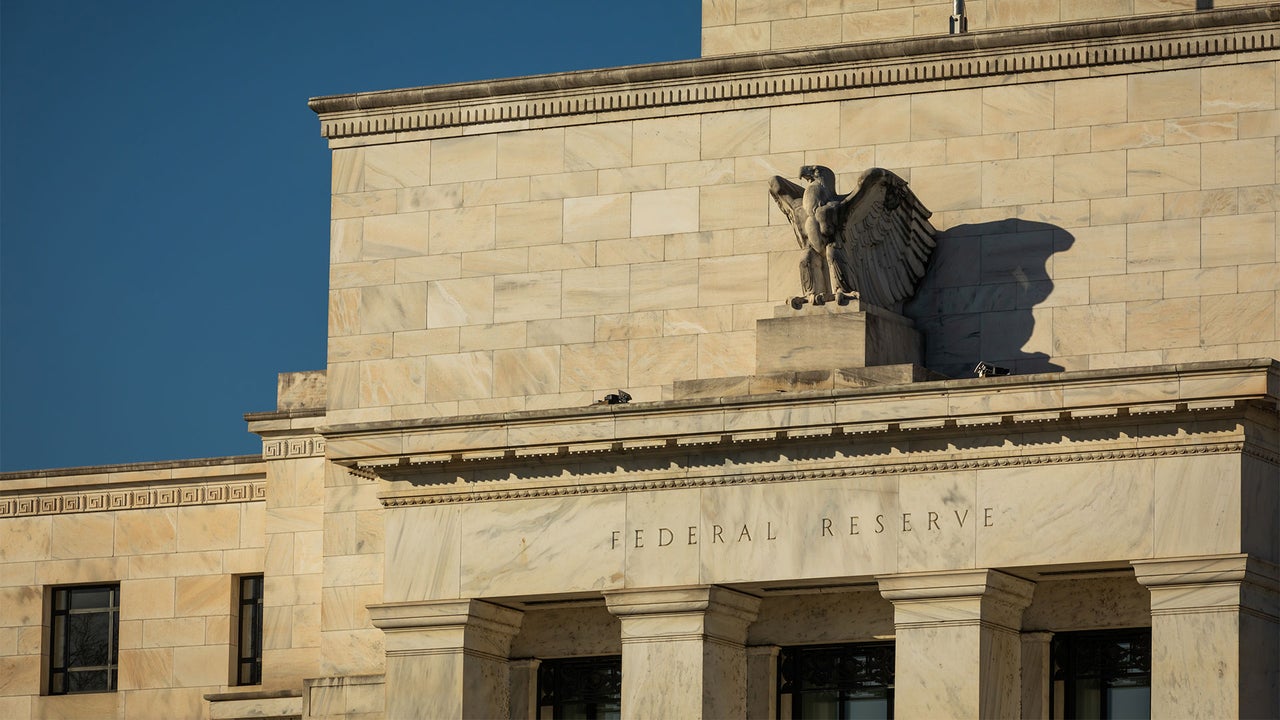
Scholars are proposing reforms to enhance the accountability of the U.S. Federal Reserve, an institution whose decisions on interest rates, inflation, and bank regulation significantly impact the daily financial lives of Americans. The Federal Reserve's influence extends to mortgage costs, business hiring, and the overall pace of economic growth, making its actions a subject of scrutiny from both the political left and right. Historically, the Fed's independence from political interference has been considered crucial for its ability to control inflation. However, its expanded activities since the 2008 financial crisis, including increased private-sector lending and large-scale purchases of government securities, have led to calls for Congress to strengthen oversight and ensure policymakers are held accountable. This debate is further complicated by President Donald Trump's consistent pressure on the Fed to cut interest rates and his past attempts to remove Fed Governor Lisa Cook, a case that reached the U.S. Supreme Court. These challenges are particularly relevant as new Fed Chair Kevin Warsh prepares to deliver his first keynote speech at the annual Jackson Hole conference, a gathering of global finance, economics, and policymaking leaders. While no policy decisions are made at Jackson Hole, the conference serves as a private forum for policymakers to exchange ideas and debate. The authors, scholars of central banking and finance, observe that for many Americans, the Federal Reserve operates as an opaque entity. Despite efforts to increase transparency, its decision-making processes are often perceived as inscrutable and lacking accountability. They argue that a more accountable Federal Reserve could ultimately be a more defensibly independent one. Defining this accountability, however, presents a significant challenge. The scholars suggest that greater accountability could be achieved through several mechanisms, including more frequent and detailed reporting to Congress on the Fed's economic outlook and policy considerations. They also propose expanding the scope of audits conducted by the Government Accountability Office (GAO) to include the Fed's monetary policy deliberations, a move that would require legislative action. Furthermore, the scholars advocate for clearer communication strategies from the Fed, explaining its policy rationale in more accessible terms to the public. This would involve publishing more comprehensive explanations of the economic data and models used to inform policy decisions. They also suggest establishing an independent ombudsman office within the Fed to handle public inquiries and complaints, thereby creating a more direct channel for citizen feedback. The proposed reforms aim to strike a balance between maintaining the Fed's operational independence and ensuring that its actions are subject to meaningful public and congressional scrutiny. By increasing transparency and establishing clearer lines of responsibility, these measures could help to insulate the Fed from undue political pressure and bolster public confidence in its ability to manage the U.S. economy effectively.
Original source — read the full reporting at the publisher:
Read on Fast CompanyGet the weekly AI digest
AI news + new model releases, weekly. Drafted by our agents, reviewed by humans.