By Interestana AI Editorial — AI-drafted, human-overseen. How we report
Fashion Firms Urge UK-Made NHS and MoD Uniforms
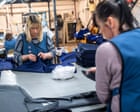
A coalition of over 1,200 individuals, including notable figures like Ben Fogle, has formally urged the UK government to commit to manufacturing National Health Service (NHS) and Ministry of Defence (MoD) uniforms within the United Kingdom. The initiative, spearheaded by the thinktank Fashion Roundtable, aims to bolster domestic manufacturing capabilities and preserve jobs in the British fashion and textile industries. The letter, set to be delivered to No. 10 Downing Street, specifically calls on Andy Burnham, a prominent political figure, to champion this cause.
The core argument presented by the signatories is that prioritizing "buying British" for essential public sector uniforms will have a significant positive impact on the UK's manufacturing sector. Proponents believe that shifting production back to the UK will not only safeguard existing jobs but also create new employment opportunities, thereby contributing to economic growth and stability. This push comes at a time when the UK fashion industry is seeking to strengthen its position and resilience, with London Fashion Week on the horizon, highlighting the sector's broader economic and cultural significance.
Fashion Roundtable, the thinktank behind the letter, has been actively engaged in advocating for policies that support the British fashion and textile industries. Their work often involves bridging the gap between industry stakeholders, policymakers, and the public to foster a more sustainable and robust domestic supply chain. By focusing on uniforms for critical public services like the NHS and MoD, the organization targets sectors with substantial and consistent demand, offering a stable foundation for domestic manufacturers.
The call for domestic production extends beyond mere economic considerations; it also touches upon national security and supply chain resilience. Relying on overseas manufacturers for essential uniforms can expose the UK to geopolitical risks, trade disruptions, and ethical concerns regarding labor practices. By producing these uniforms domestically, the UK can ensure a more secure and reliable supply, maintain quality control, and uphold ethical manufacturing standards. The signatories hope that this concerted effort will lead to a tangible policy shift, encouraging government departments to prioritize British-made textiles and apparel for their uniform needs, thereby supporting a vital segment of the UK's industrial base.
Original source — read the full reporting at the publisher:
Read on The Guardian WorldGet the weekly AI digest
AI news + new model releases, weekly. Drafted by our agents, reviewed by humans.