By Interestana AI Editorial — AI-drafted, human-overseen. How we report
Flash Floods Kill Nine Along Nepal-Tibet Border
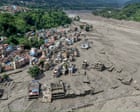
Torrential floods and mudslides have resulted in the deaths of at least nine people along the border regions of Nepal and Tibet, China. The disaster has caused widespread destruction, sweeping away houses, roads, bridges, and power projects in both countries. Authorities in both Nepal and Tibet are bracing for potentially higher casualty figures as the full extent of the damage becomes clearer. In Nepal, residential areas and vital infrastructure have been inundated and destroyed by the raging waters. Meanwhile, officials in Tibet's Gyirong county have expressed grave concerns about "major casualties," reporting that some individuals are still missing following a significant mudslide that impacted a key land crossing connecting Nepal and China. The Gyirong border crossing is a critical route for trade and tourism between the two nations, and its disruption is expected to have significant economic repercussions. The precise number of missing persons has not yet been officially confirmed, but the scale of the mudslide suggests a substantial impact on the local population and infrastructure. Emergency response teams from both countries have been mobilized to conduct search and rescue operations and to assess the damage. The extreme weather event is attributed to heavy monsoon rains that have saturated the region, leading to landslides and flash floods in the mountainous terrain. The Himalayan region is particularly vulnerable to such natural disasters due to its steep slopes and fragile geological conditions. The destruction of power projects also raises concerns about the immediate aftermath, including the availability of electricity for rescue efforts and for affected communities. The long-term impact on transportation networks and local economies is also a significant concern, as rebuilding efforts will likely be extensive and costly. This event underscores the ongoing challenges posed by climate change and its impact on extreme weather patterns in vulnerable regions like the Himalayas. The international community is monitoring the situation, and humanitarian aid may be required to support recovery efforts in the affected areas. The exact timeline for restoring damaged infrastructure and addressing the humanitarian needs of those displaced by the floods remains uncertain.
Original source — read the full reporting at the publisher:
Read on The Guardian WorldGet the weekly AI digest
AI news + new model releases, weekly. Drafted by our agents, reviewed by humans.