By Interestana AI Editorial — AI-drafted, human-overseen. How we report
Magnitude 4.8 Earthquake Strikes Victoria, Felt in Melbourne
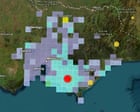
A magnitude 4.8 earthquake struck the Australian state of Victoria in the early hours of Saturday, October 2, 2026, causing tremors that were felt across Melbourne and its surrounding regions. Geoscience Australia detected the seismic event at approximately 2:01 AM local time. The earthquake's epicenter was located near Leongatha, a town situated 130 kilometers south-east of Melbourne. Residents in the city's eastern suburbs reported experiencing shaking from the earthquake. The preliminary magnitude of 4.8 indicates a moderate seismic event capable of causing noticeable shaking over a significant area. While the immediate impact and any potential damage have not been detailed, the event served to wake many people across the region. Earthquakes of this magnitude are not uncommon in Australia, though they are generally less frequent and less intense than those experienced in seismically active zones like the Pacific Ring of Fire. The Australian continent experiences seismic activity primarily due to intraplate stresses within the Indo-Australian Plate, rather than the direct collision of tectonic plates. These stresses can lead to fault ruptures and subsequent earthquakes. Leongatha, the epicenter's location, is part of the Gippsland region of Victoria, an area known for its geological activity, including past seismic events. The tremors felt in Melbourne, a major metropolitan area, highlight the extent to which the seismic waves propagated from the epicenter. The time of the earthquake, just after 2 AM, meant that many residents were asleep when the shaking began, leading to reports of people being woken by their houses moving. Further details regarding the duration of the shaking, the specific areas most affected, and any resulting infrastructure damage or injuries were not immediately available following the initial detection by Geoscience Australia. The agency's role in detecting and reporting earthquakes is crucial for public safety and scientific understanding of Australia's seismicity. Their preliminary magnitude assessment provides an initial understanding of the earthquake's strength, which can be refined with further analysis. The event serves as a reminder of the geological forces at play beneath the Earth's surface, even in regions not typically associated with major seismic disasters. The response from emergency services and geological agencies would typically involve assessing the situation, providing public information, and conducting further studies to understand the earthquake's characteristics and potential aftershocks.
Original source — read the full reporting at the publisher:
Read on The Guardian WorldGet the weekly AI digest
AI news + new model releases, weekly. Drafted by our agents, reviewed by humans.