By Interestana AI Editorial — AI-drafted, human-overseen. How we report
Wayve Robotaxis Launch on London's Uber App
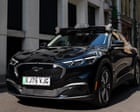
Londoners can now hail self-driving taxis for the first time, as Wayve's autonomous vehicles have been integrated into the Uber application. This launch, which occurred on Thursday, marks a significant step in the deployment of autonomous ride-hailing services within the UK capital. However, the immediate availability of these robotaxis is limited, with only 15 vehicles having received the necessary licensing to operate. This contrasts sharply with the vast existing private hire vehicle fleet in London, which numbers over 100,000 vehicles. The demand for such services is already evident, with approximately 100,000 Uber customers having registered their interest in taking autonomous rides. Wayve, the company behind these robotaxis, is a British AI company specializing in autonomous driving technology. The vehicles deployed are equipped with advanced AI systems designed to navigate complex urban environments. While these taxis are classified as self-driving, they will initially feature a human safety driver in the front seat, prepared to take control if necessary. This phased approach to deployment prioritizes safety and allows for real-world data collection and system refinement. The integration with Uber's platform provides a familiar and accessible booking experience for passengers, leveraging the existing user base and infrastructure of one of the world's largest ride-sharing services. The regulatory framework for autonomous vehicles in London and the UK has been evolving to accommodate such innovations, with licensing bodies carefully assessing the safety and operational capabilities of these new services. The limited initial rollout suggests a cautious strategy by both Wayve and Uber, focusing on a controlled environment to demonstrate the technology's viability and build public trust. The success of this pilot program could pave the way for a broader expansion of autonomous taxi services in London and potentially other major cities. The company's technology relies on end-to-end deep learning, aiming to enable vehicles to learn driving policies directly from data, rather than relying on pre-programmed rules for every conceivable scenario. This approach is seen as a key differentiator in the competitive landscape of autonomous vehicle development. The introduction of these robotaxis is expected to provide valuable insights into the operational challenges and public acceptance of autonomous transportation in a dense urban setting like London. The data gathered from these initial 15 vehicles will be crucial for Wayve's ongoing development and for informing future regulatory decisions. The company has stated its commitment to safety and continuous improvement, working closely with authorities to ensure compliance with all relevant standards. The limited number of vehicles also means that users may experience longer wait times or may not be able to secure a ride on demand, highlighting the early stage of this technological adoption. The broader implications for the taxi and private hire industry in London are also significant, as autonomous technology matures and becomes more widespread.
Original source — read the full reporting at the publisher:
Read on The Guardian WorldGet the weekly AI digest
AI news + new model releases, weekly. Drafted by our agents, reviewed by humans.