By Interestana AI Editorial — AI-drafted, human-overseen. How we report
Trump Now Supports Daylight Saving Time
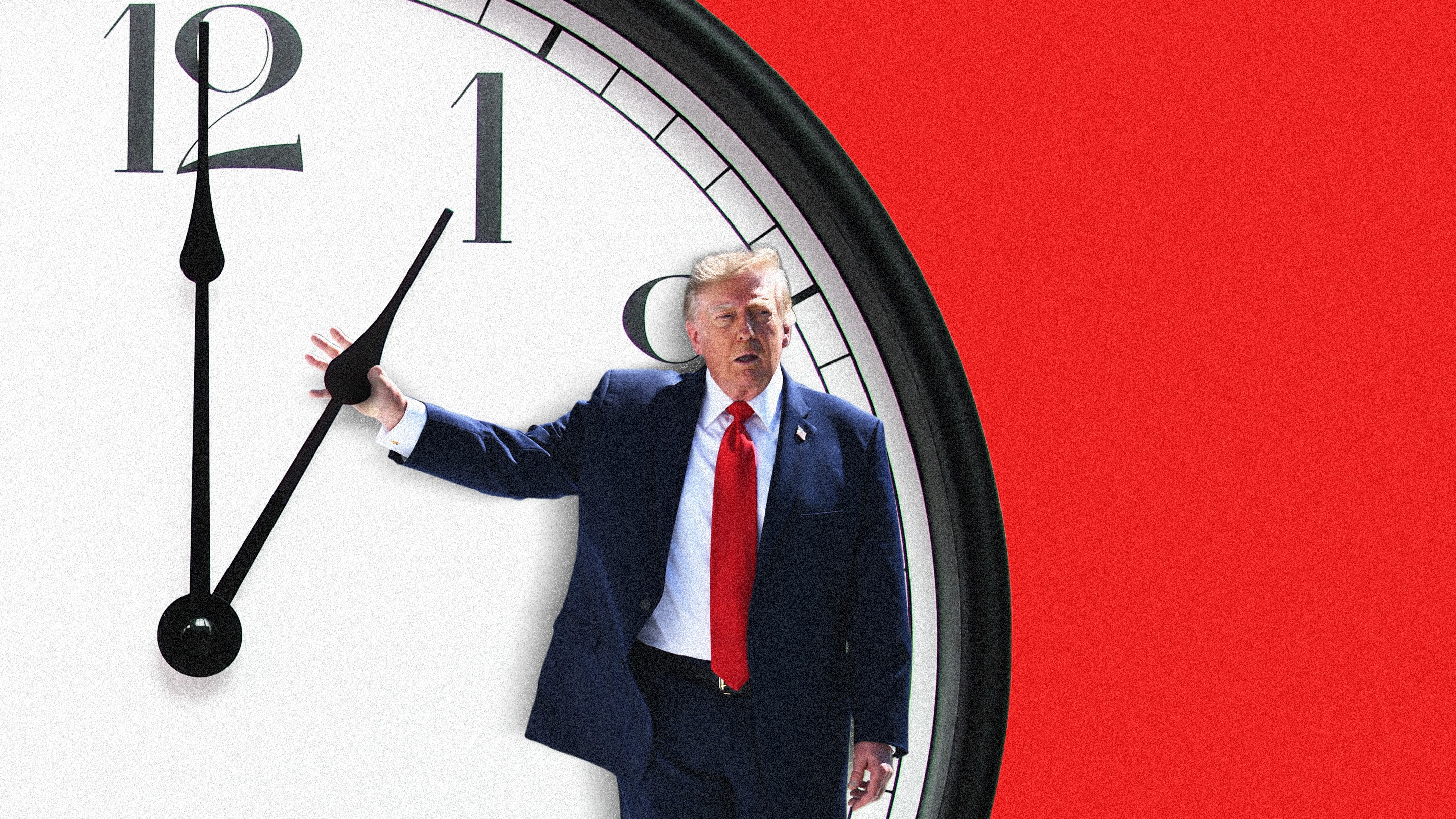
Former President Donald Trump has publicly stated his support for continuing daylight saving time (DST), a shift from his previous ambivalence on the issue. Trump's current position, expressed in recent remarks, indicates a desire for longer daylight hours during winter months, which he believes would allow for more time for activities such as golfing. This endorsement comes after a period where Trump had previously indicated he was open to ending the practice, reflecting a dynamic political stance on the biannual time change.
The debate over daylight saving time has a long history in the United States, with proponents arguing for benefits such as energy conservation and increased opportunities for outdoor recreation. Opponents, however, point to potential disruptions in sleep patterns, negative impacts on public health, and minimal actual energy savings. The practice itself involves advancing clocks by one hour in the spring and reverting them in the fall, a system that has been in place in various forms since the early 20th century. Several states, including California and Florida, have passed legislation to make DST permanent, but these changes require federal approval.
Trump's current stance aligns him with a growing number of lawmakers who advocate for making DST permanent, aiming to eliminate the need for the twice-yearly clock changes. The Sunshine Protection Act, a bill that would make DST permanent nationwide, has seen renewed bipartisan interest in recent years. While the exact motivations behind Trump's updated position are not fully detailed, his emphasis on personal leisure time, such as golfing, suggests a pragmatic rather than purely policy-driven rationale. His previous comments had suggested a willingness to let states decide or even to end the practice, making this recent declaration a notable pivot.
The implications of Trump's support for DST are significant, potentially influencing legislative efforts to standardize time across the country. As a prominent political figure, his endorsement could sway public opinion and provide momentum to the permanent DST movement. The debate continues to involve various stakeholders, including business groups, health organizations, and agricultural interests, each with differing perspectives on the advantages and disadvantages of the current system and potential permanent changes.
Original source — read the full reporting at the publisher:
Read on The AtlanticGet the weekly AI digest
AI news + new model releases, weekly. Drafted by our agents, reviewed by humans.