By Interestana AI Editorial — AI-drafted, human-overseen. How we report
Lobsters Tested for Role in Ocean Acidification Neutralization
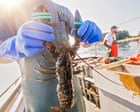
Scientists are conducting tests to determine if the addition of alkalis to seawater, a process designed to enhance carbon dioxide absorption and combat ocean acidification, poses a threat to marine life, with a particular focus on crustaceans like lobsters. This research is crucial as ocean acidification, driven by increased atmospheric CO2 absorbed by the oceans, threatens marine ecosystems globally. The process involves altering the seawater's alkalinity, which could have unforeseen consequences for organisms with calcium carbonate shells and skeletons, such as lobsters, oysters, and corals. The economic and ecological significance of lobsters, particularly in regions like New England where the lobster roll is a cultural and culinary staple, underscores the importance of understanding any potential impacts on these populations. The price of a lobster roll, now routinely fetching $30 to $50, reflects the species' value and the changing conditions affecting its availability.
Ocean acidification is a significant environmental challenge, with oceans absorbing approximately 25% of the CO2 emitted by human activities annually. This absorption leads to a decrease in seawater pH, making it more acidic. The consequences include reduced availability of carbonate ions, essential for shell-forming marine organisms, and potential disruption of marine food webs. The proposed solution of adding alkaline substances aims to counteract this acidification by increasing the ocean's capacity to absorb CO2, effectively buffering the water. However, the ecological ramifications of such large-scale interventions are not fully understood, necessitating rigorous scientific investigation.
The research aims to assess the direct impact of these alkaline additions on the physiology, behavior, and survival rates of key marine species, including lobsters. This involves controlled experiments simulating the altered seawater conditions and monitoring the health and development of the test subjects. Understanding the tolerance levels of different species to these chemical changes is vital for developing safe and effective strategies for ocean deacidification. The findings will inform policy decisions and conservation efforts aimed at protecting marine biodiversity and the livelihoods dependent on healthy ocean ecosystems.
However, the progress of this critical research faces potential setbacks due to funding uncertainties. Specifically, a halt in funding from the Trump administration threatens to jeopardize the continuation and expansion of these vital studies. Such funding disruptions can significantly impede scientific endeavors, delaying crucial discoveries and the implementation of necessary environmental solutions. The long-term implications of ocean acidification are severe, impacting fisheries, coastal economies, and the overall health of the planet's marine environments. Therefore, securing consistent and adequate financial support for research into mitigation and adaptation strategies is paramount.
Original source — read the full reporting at the publisher:
Read on The Guardian EnvironmentGet the weekly AI digest
AI news + new model releases, weekly. Drafted by our agents, reviewed by humans.