LNG Tanker Hit, Threatening Qatar's Hormuz Exports
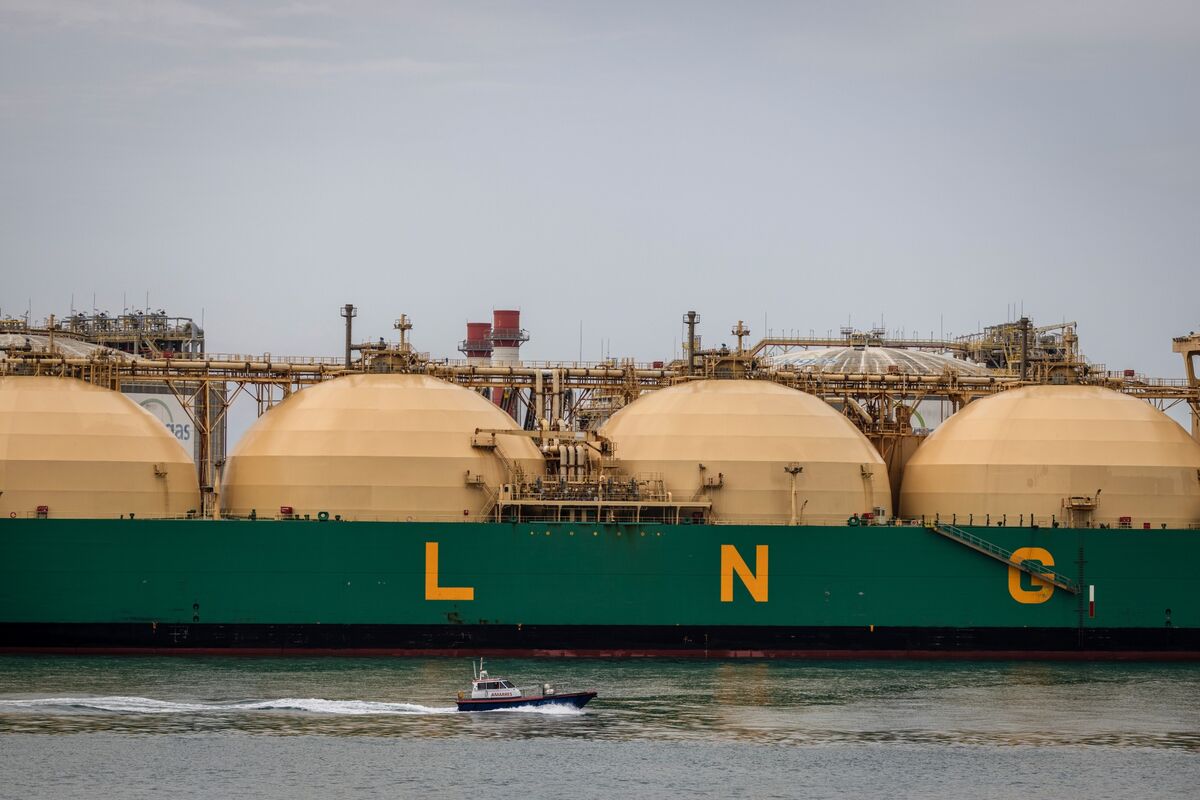
A projectile struck the LNG carrier Al Rekayyat on Tuesday, an incident that has sent significant reverberations through the global gas market. The attack, which occurred near the Strait of Hormuz, has raised concerns about the security of energy transit routes and could potentially disrupt Qatar's efforts to boost its liquefied natural gas (LNG) exports. Qatar, a major global supplier of LNG, relies heavily on these maritime passages for its international trade.
The repercussions of this attack are being closely monitored by energy market analysts and governments worldwide. The Strait of Hormuz is a critical chokepoint for global energy supplies, with a significant portion of the world's oil and gas passing through it daily. Any disruption or perceived threat in this region can lead to increased price volatility and supply chain uncertainties. The incident involving the Al Rekayyat, a vessel operated by Nakilat, Qatar's largest LNG shipping company, underscores the vulnerability of these vital trade routes.
While the full extent of the damage to the Al Rekayyat and the specific perpetrators remain unclear, the immediate market reaction has been one of caution. Traders and consumers of LNG are assessing the potential impact on supply availability and pricing in the coming weeks and months. Qatar has been actively working to expand its LNG production capacity, aiming to solidify its position as a leading energy exporter. This attack introduces a new layer of risk to these expansion plans and the broader strategy of ensuring reliable energy flows to international markets.
Energy security has become a paramount concern for many nations, particularly in light of geopolitical tensions and the ongoing transition to cleaner energy sources. Incidents like the one involving the Al Rekayyat highlight the complex interplay between geopolitics, energy infrastructure, and market stability. The international community will be watching closely to see how this situation develops and what measures will be taken to ensure the safety of maritime energy transport in this crucial region.
Original source — read the full reporting at the publisher:
Read on Bloomberg Markets