By Interestana AI Editorial — AI-drafted, human-overseen. How we report
Pastoralists Offer Drought Adaptation Lessons
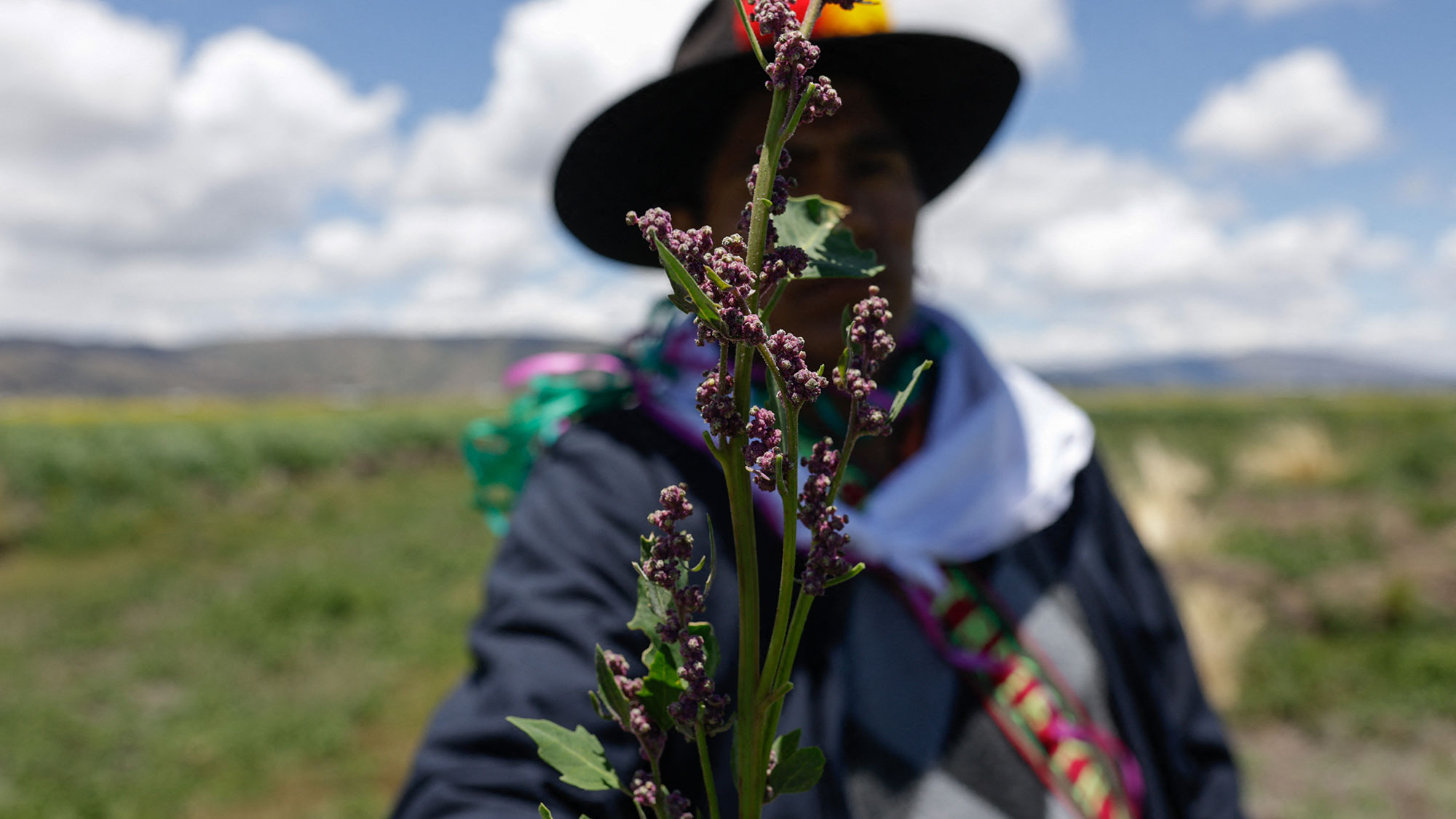
Pastoralists, comprising approximately 500 million people globally who manage livestock herds, are facing an existential threat from desertification and drought, which are degrading rangelands that constitute about half of the Earth's landmass. These communities, including the Maasai in northeast Tanzania and herders in Mongolia, are particularly vulnerable to climate change due to their reliance on arid environments. Andrew Msami, a Maasai elder, explained to Grist that while adapting to shifting climates has been a generational practice, recent conditions are so severe that they threaten the very identity of his community, forcing them to sell culturally and financially valuable cattle for less adaptable goats. Desertification is currently advancing at a rate 30 to 35 times the historical average, compounded by invasive species, extractive industries, and tourism.
In response to these overlapping crises, hundreds of pastoralists, including Msami, convened in Mongolia this week for the United Nations Convention to Combat Desertification (UNCCD). Their primary objectives at the convention were to advocate for enhanced protections for Indigenous pastoral traditions, secure increased access to funding and resources to combat desertification, and gain official recognition for the invaluable knowledge gained from generations of living on increasingly marginal lands. These communities believe their accumulated experience offers critical lessons for adapting to a hotter and drier global climate. They aim to convey a message that the land's resilience is intrinsically linked to the resilience of its inhabitants and their traditional practices.
The UNCCD serves as a crucial platform for nations to address land degradation and desertification, with its secretariat supporting countries in implementing the UN Convention to Combat Desertification. The convention's focus on sustainable land management and drought resilience is particularly relevant as global temperatures rise and extreme weather events become more frequent. The insights shared by pastoralists highlight the importance of traditional ecological knowledge, which often embodies sophisticated understanding of local ecosystems and long-term adaptation strategies. This knowledge is increasingly recognized as a vital complement to scientific research in developing effective climate change mitigation and adaptation plans.
The pastoralists' plea underscores a broader challenge: integrating the knowledge and needs of frontline communities into global policy-making. Their livelihoods and cultural identities are directly threatened by environmental degradation, making their perspectives essential for crafting actionable and equitable solutions. The call for greater access to funding and resources is critical, as many pastoralist communities lack the financial capacity to implement necessary adaptations without external support. By recognizing their expertise, the international community can foster more effective and sustainable approaches to land management and climate resilience, benefiting both these communities and the planet as a whole.
Original source — read the full reporting at the publisher:
Read on GristGet the weekly AI digest
AI news + new model releases, weekly. Drafted by our agents, reviewed by humans.