By Interestana AI Editorial — AI-drafted, human-overseen. How we report
Canadian Drama "Little Bird" Depicts Sixties Scoop Trauma
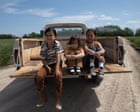
The Canadian drama "Little Bird," which premiered on Sky Atlantic on August 18, 2026, at 9 pm, offers a poignant and anger-inducing portrayal of the Sixties Scoop, a historical scandal involving the forced removal and adoption of First Nations children by non-Indigenous families. The series is based on the real-life experiences of individuals affected by this policy, highlighting the profound and lasting trauma inflicted upon Indigenous communities.
The narrative centers on a First Nations woman who, after being adopted into a Jewish home in Montreal, embarks on a quest to find her lost family. This search jeopardizes the stability of her adopted life, underscoring the deep-seated need for familial connection and cultural identity. The series does not shy away from depicting the brutal realities faced by these children and their parents. One particularly harrowing scene described involves child protection services removing young children from their home due to the perceived neglect indicated by the absence of a refrigerator, a situation that escalates to violence and death when the father confronts law enforcement.
"Little Bird" serves as a powerful reminder of television's capacity to transcend mere entertainment and engage audiences with critical social issues. The drama evokes visceral anger and sadness, reflecting the experiences of a First Nations woman caught between cultures, stripped of her heritage by systemic forces, and obstructed by authorities. The creators aim to shed light on the systemic injustices faced by Indigenous peoples in Canada, drawing parallels between the historical events and contemporary attitudes, suggesting that while the specific events may be historical, the underlying issues and their impact remain shamefully familiar.
The Sixties Scoop, which occurred primarily from the 1950s through the 1980s, saw an estimated 20,000 to 30,000 First Nations, Métis, and Inuit children apprehended by child welfare services and placed in non-Indigenous foster or adoptive homes, often in Canada and the United States. This practice was driven by a combination of assimilationist policies, socioeconomic factors, and a misunderstanding or deliberate disregard for Indigenous family structures and cultural practices. The long-term consequences have included widespread intergenerational trauma, loss of cultural identity, and ongoing struggles for reconciliation and justice within Indigenous communities. "Little Bird" contributes to the broader discourse on historical injustices and the importance of acknowledging and addressing the legacy of such policies.
Original source — read the full reporting at the publisher:
Read on The Guardian CultureGet the weekly AI digest
AI news + new model releases, weekly. Drafted by our agents, reviewed by humans.