By Interestana AI Editorial — AI-drafted, human-overseen. How we report
Michigan Approves Line 5 Tunnel Permits, Facing Opposition
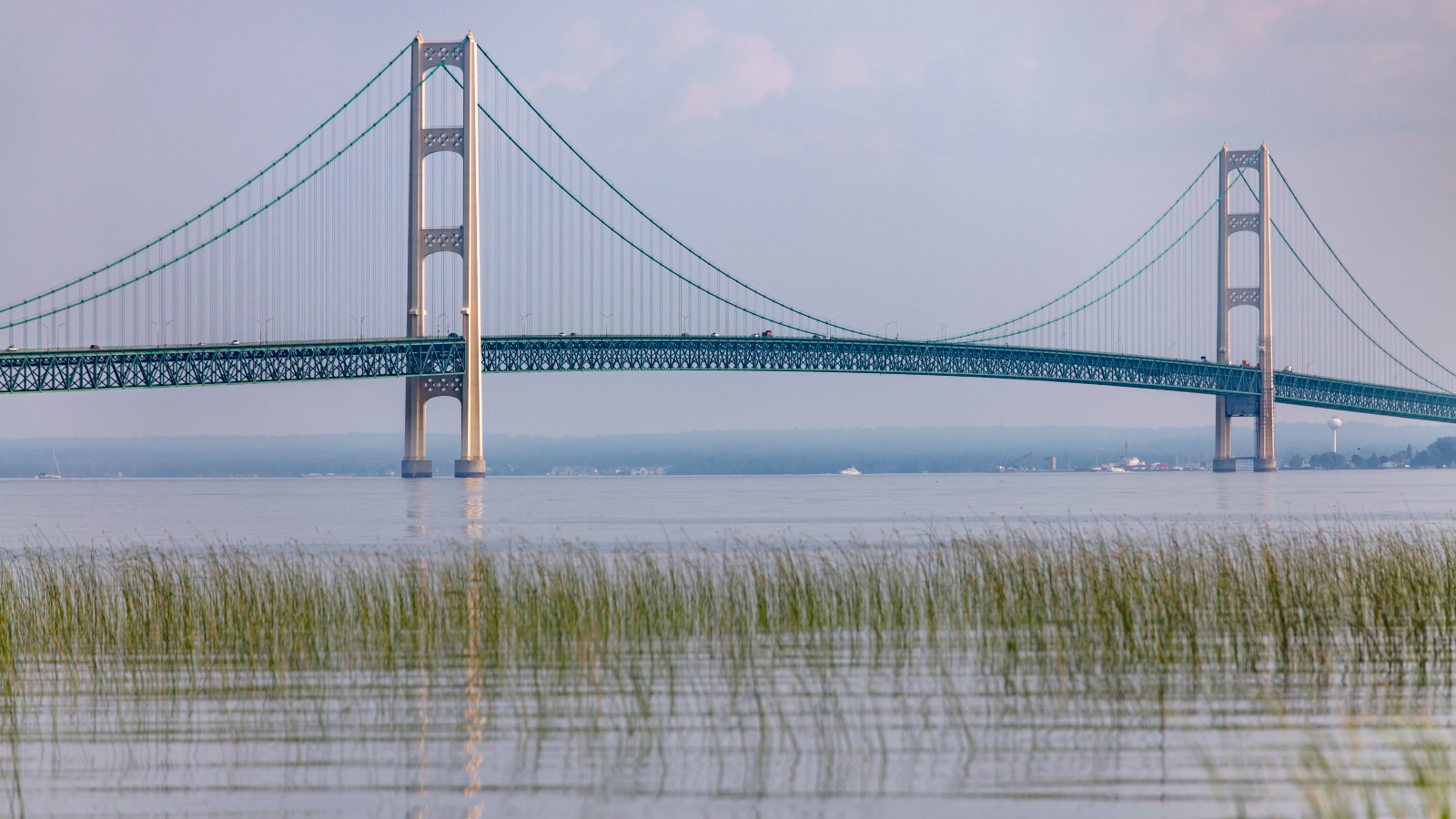
Michigan regulatory officials on Wednesday issued several crucial permits for the construction of a tunnel intended to replace an aging segment of the Line 5 pipeline in the Straits of Mackinac. The state's Department of Environment, Great Lakes, and Energy (EGLE) approved a construction permit for the lake bottomlands, stating that the project's necessity in preventing an oil spill in the Great Lakes outweighed other public interests following a comprehensive review. The controversial plan by Enbridge Energy involves replacing a dual segment of the crude oil and natural gas liquids pipeline, which has operated for over 73 years transporting products 645 miles from Superior, Wisconsin, to Sarnia, Ontario. The new tunnel will be buried beneath the lakebed between Lake Michigan and Lake Huron.
Despite acknowledging that construction would "adversely impact" rare plants and animals in the environmentally sensitive straits, the state Department of Natural Resources also issued a permit to Enbridge. This permit mandates that the company implement measures to "lessen impacts," such as collecting seeds for later restoration and limiting tree clearing to winter months to protect bats, as required by state law. EGLE's permit also requires Enbridge to minimize damage to surrounding wetlands during construction.
Enbridge spokesperson Ryan Duffy described the permits as "an important step forward" for the project, emphasizing its role in "ensur[ing] the uninterrupted flow of energy that supports Michigan and the region." Products transported through Line 5 are utilized in Canada and Michigan for propane and at oil refineries. Enbridge is currently reviewing the permits to "assess any impacts to tunnel construction."
Line 5 opponents criticized the state regulators' decisions. David Holtz, an opponent of the project, stated, "The bigger picture is that there should be no destruction, no wetlands destruction, there should be no forest destruction for a project that is not needed."
Original source — read the full reporting at the publisher:
Read on GristGet the weekly AI digest
AI news + new model releases, weekly. Drafted by our agents, reviewed by humans.