By Interestana AI Editorial — AI-drafted, human-overseen. How we report
Lindsey Graham Died From Rare Heart Condition
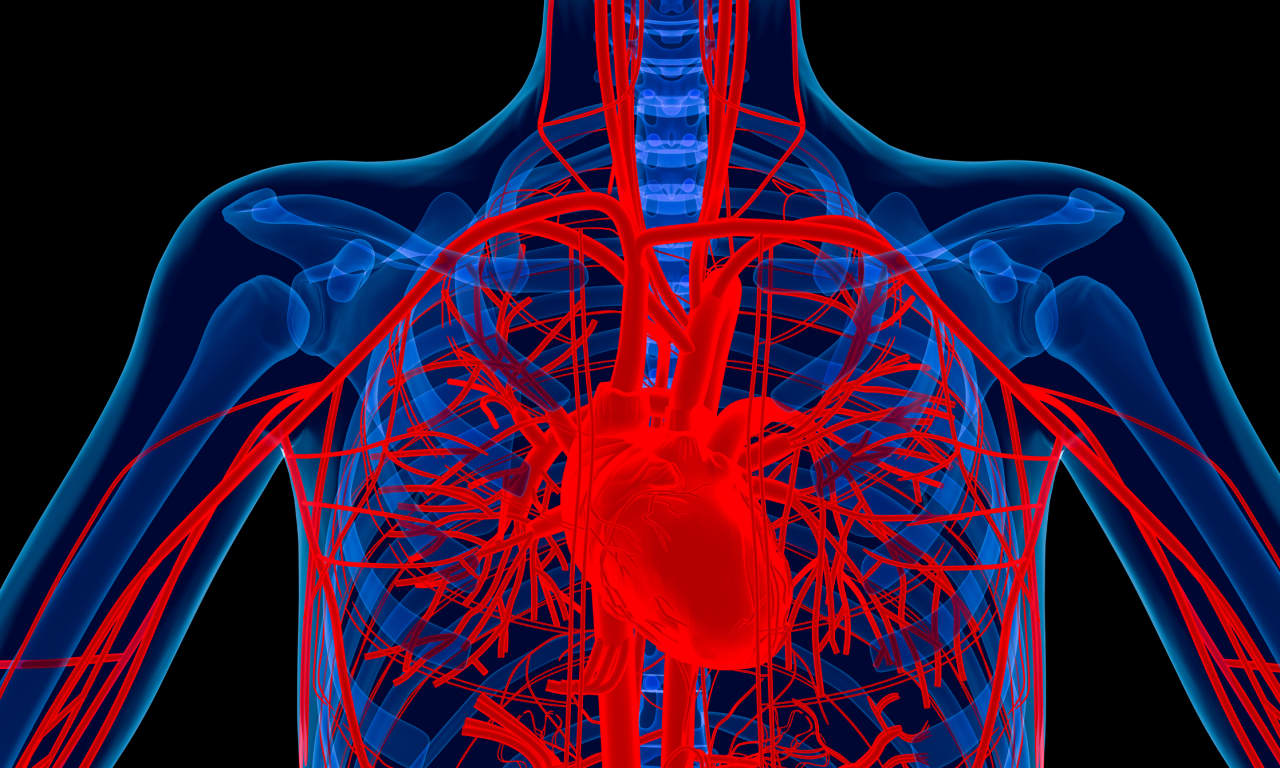
Senator Lindsey Graham died this week from a rare heart condition, an aortic dissection. This condition occurs when a tear happens in the inner layer of the aorta, the large blood vessel that distributes blood from the heart to the rest of the body. Blood surges through the tear, causing the inner and middle layers of the aorta to separate (dissect). If the dissection causes the blood to flow through the tear in the aorta's outer wall, it can be fatal.
While aortic dissections are extremely rare, certain factors can elevate an individual's risk. A family history of aortic aneurysms or dissections is a significant risk factor, suggesting a potential genetic predisposition. Individuals diagnosed with specific genetic syndromes, such as Marfan syndrome, Ehlers-Danlos syndrome, Turner syndrome, or Loeys-Dietz syndrome, also face a higher likelihood of developing this condition. These syndromes can affect the connective tissues throughout the body, including the walls of the aorta, making them weaker and more prone to tearing.
High blood pressure, also known as hypertension, is another major contributor to aortic dissections. Chronically elevated blood pressure puts continuous strain on the aorta's walls, increasing the chance of a tear forming. Other contributing factors include atherosclerosis, a condition where plaque builds up inside arteries, narrowing them and making them less flexible. Trauma to the chest, such as from a car accident or physical assault, can also lead to an aortic dissection. Certain medical procedures, like heart valve replacement or repair, have also been linked to a small increase in risk.
Symptoms of an aortic dissection can be sudden and severe, often including intense chest or upper back pain that feels like tearing or ripping. Other symptoms may include shortness of breath, fainting, stroke-like symptoms, or pain in the abdomen or legs. Prompt medical attention is crucial for survival, as immediate diagnosis and treatment, often involving surgery, can significantly improve outcomes. Awareness of personal and family medical history, along with managing risk factors like high blood pressure, are key steps in mitigating the danger of this rare but life-threatening condition.
Original source — read the full reporting at the publisher:
Read on MarketWatchGet the weekly AI digest
AI news + new model releases, weekly. Drafted by our agents, reviewed by humans.